In celebration of World Environment Day 2026, themed “Inspired by Nature. For Climate. For Our Future.”, a significant ecosystem conservation initiative was successfully carried out at the Upper Maradankadawala Tank in the Giribawa area on 4th and 5th June 2026.
The activity was implemented under the project “Water, Sustainable Farming & Livelihoods: Strengthening Sri Lankan Farming Families’ Climate Resilience,” implemented by Janathakshan with funding support from the Paul Liebman Family Foundation through Green Empowerment.
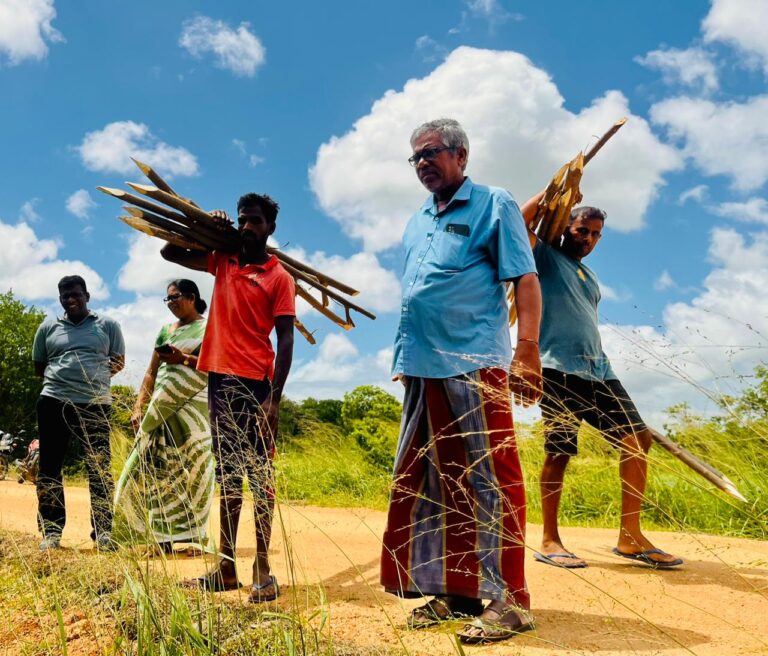
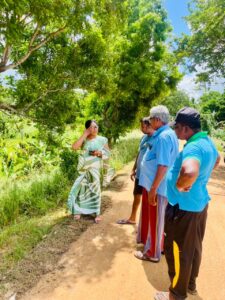
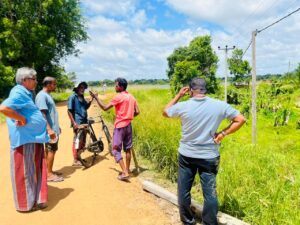
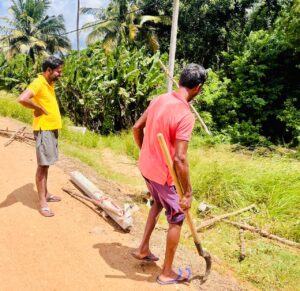
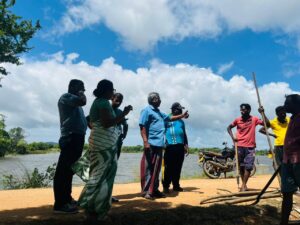
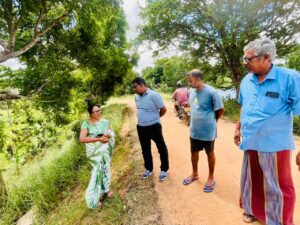
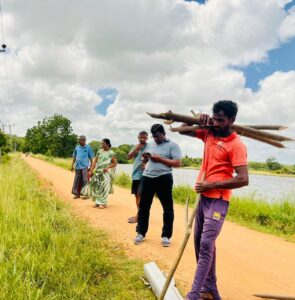
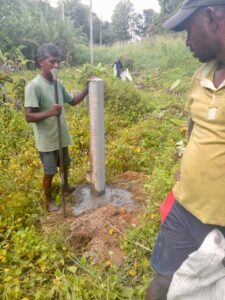
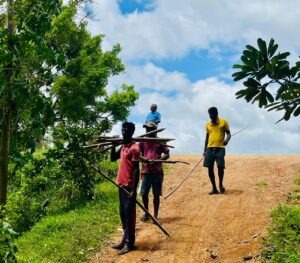
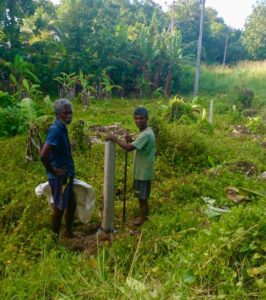
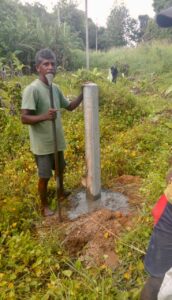
As part of the ongoing efforts to restore and protect the ecosystem surrounding the rehabilitated Upper Maradankadawala Tank, a Social Demarcation Programme was conducted to identify and establish the boundaries of the Kattakaduwa Conservation Zone, an ecologically important area for which no formal boundary had previously been identified.
The programme was carried out with the voluntary participation and consensus of members of the Upper Maradankadawala Farmers’ Organization, under the guidance of the Regional Officer of the Thabbowa Agricultural Service Centre. This collaborative approach ensured community ownership and strengthened local commitment towards the long-term protection of the tank ecosystem.
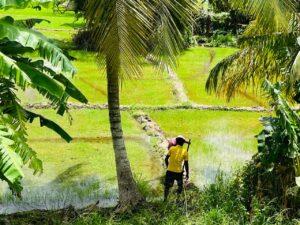
The Kattakaduwa Conservation Zone plays a vital role in maintaining the ecological health of the tank environment by protecting water quality, reducing land degradation, conserving biodiversity, and supporting natural ecosystem functions. The establishment of clear conservation boundaries is an important step toward safeguarding these environmental benefits for future generations.
The activity strongly reflected the spirit of World Environment Day 2026, highlighting how nature-based solutions can help address climate challenges while supporting sustainable livelihoods. By protecting ecosystems associated with rural water resources, communities can strengthen their resilience to climate change impacts, including droughts, changing rainfall patterns, and environmental degradation.
The restoration and conservation efforts at Upper Maradankadawala Tank contribute not only to environmental sustainability but also to the livelihoods of farming families who depend on these natural resources for agriculture and water security. Through integrated approaches that combine ecosystem restoration, sustainable agriculture, and community participation, the project continues to build climate-resilient communities across Sri Lanka.
This initiative serves as a powerful example of how communities, institutions, and development partners can work together to protect nature while creating a more sustainable and resilient future for people and the environment.