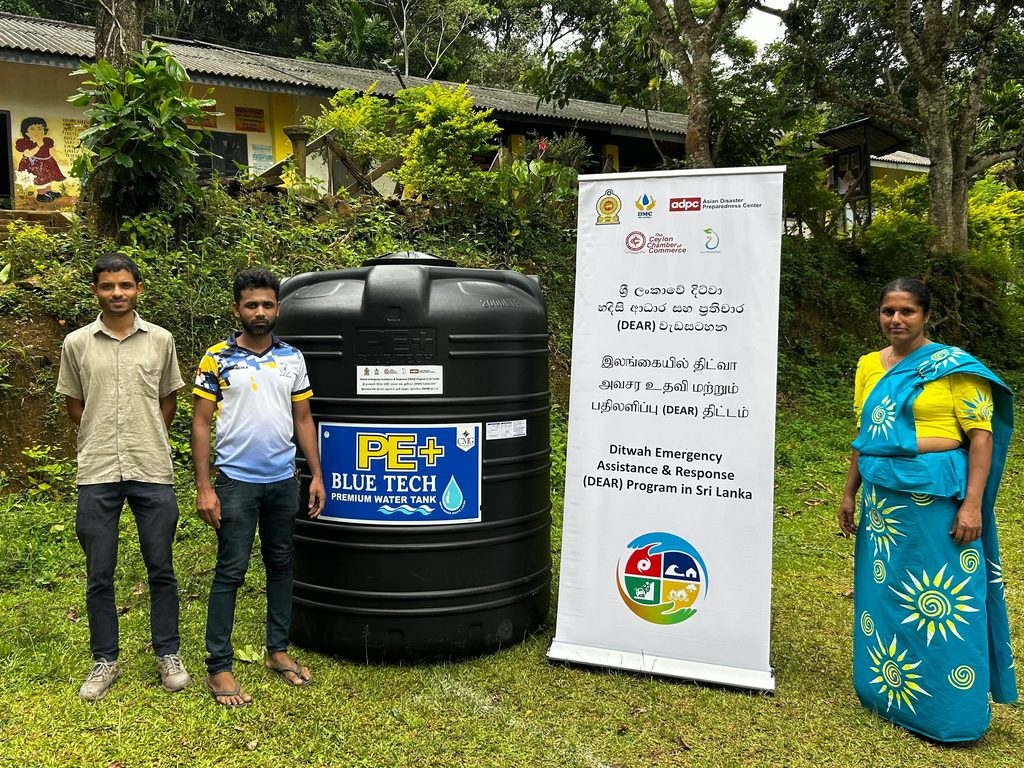
In the aftermath of Cyclone Ditwah, communities across Sri Lanka faced disruptions to essential services, damage to infrastructure and household assets, and significant challenges to their safety and wellbeing. Through the Ditwah Emergency Assistance and Response (DEAR) Programme, Janathakshan has supported affected communities with integrated humanitarian assistance designed to address immediate needs while contributing to early recovery and resilience.
The DEAR Programme was implemented across Kandy, Kegalle, Badulla and Puttalam districts through the Sri Lanka Preparedness Partnership (SLPP), with implementation leadership from Janathakshan, in partnership with the Asian Disaster Preparedness Center (ADPC) and with funding support from the Gates Foundation. The programme combined interventions in Water, Sanitation and Hygiene (WASH), Non-Food Items (NFIs), Child-Centred Disaster Risk Reduction and Psychosocial Support (CCDRR & PSS), Multi-Purpose Cash Assistance and disability-inclusive assistance. Overall, the programme reached 72,261 individuals across the four districts.
52,763 people in Badulla were reached through WASH interventions, while 638 people benefited from CCDRR and psychosocial support and 1,935 people received non-food items.
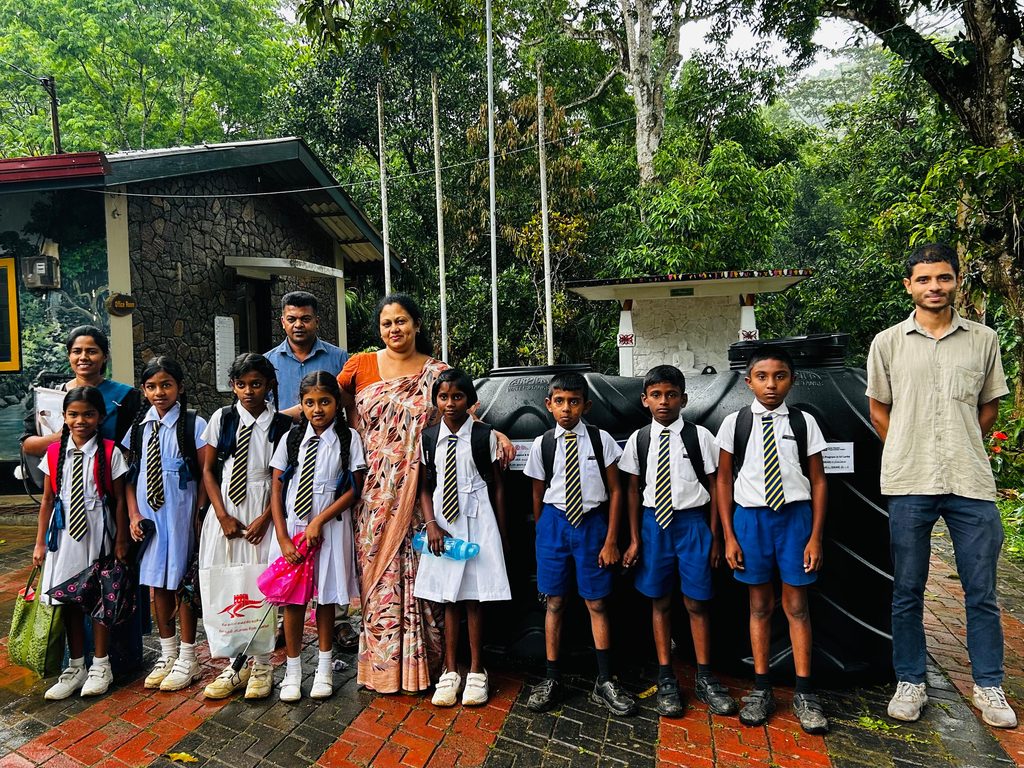
The WASH interventions focused on restoring access to safe water and sanitation services following the disaster. Across the programme, water purification systems were restored in 119 schools, seven Community-Based Organisations (CBOs) and one village, helping affected communities regain access to safer drinking water and reducing dependence on external water sources.
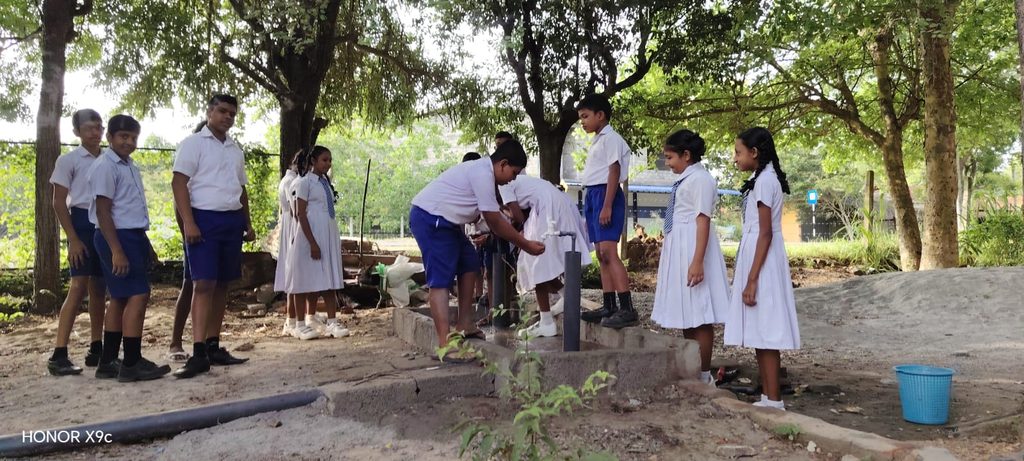
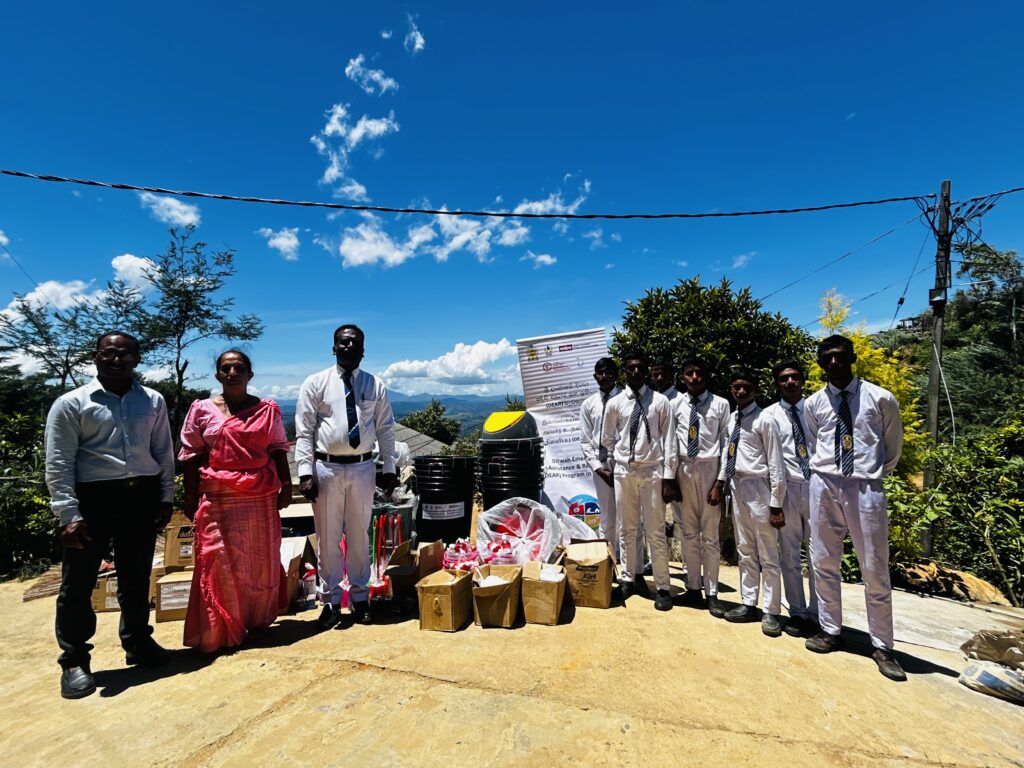
These interventions contributed to improved water quality and safer learning environments in schools. The introduction and restoration of appropriate water purification technologies also supported resilience in areas facing specific water-quality challenges, including saline and Chronic Kidney Disease of Unknown Etiology (CKDu)-prone areas.
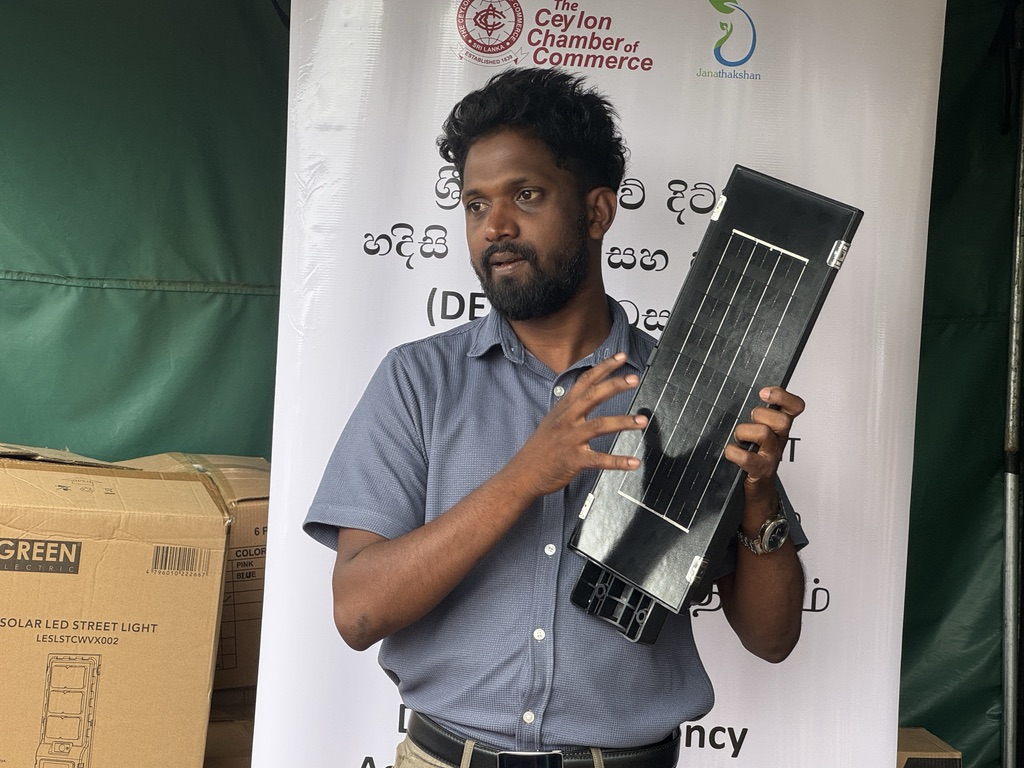
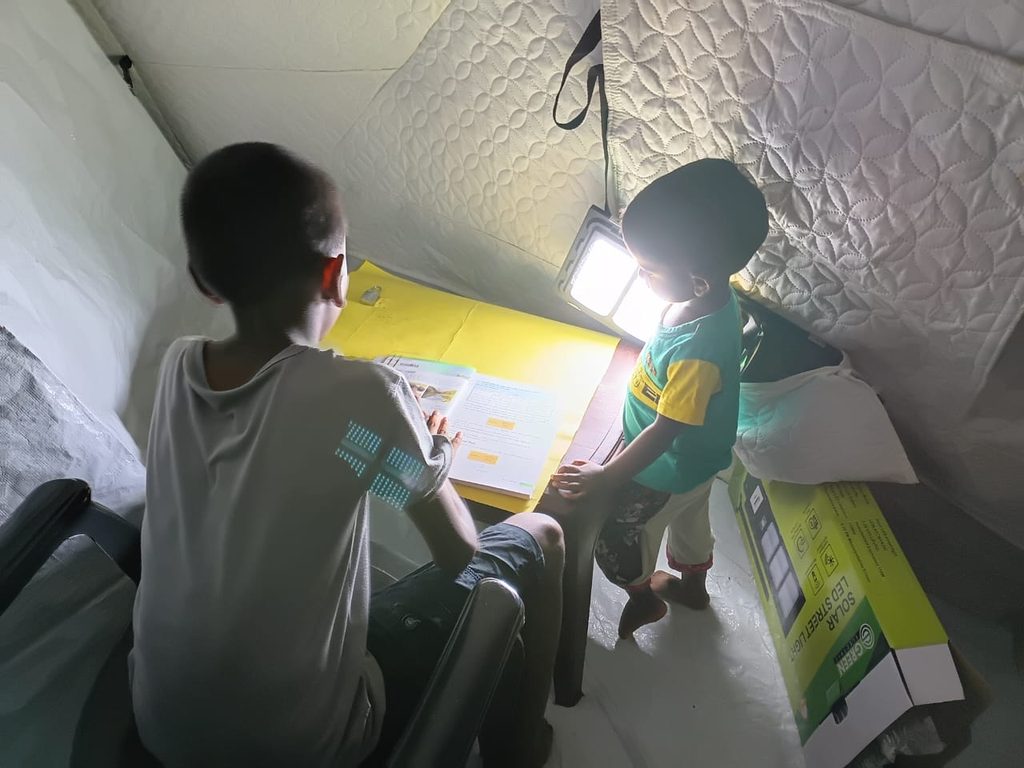
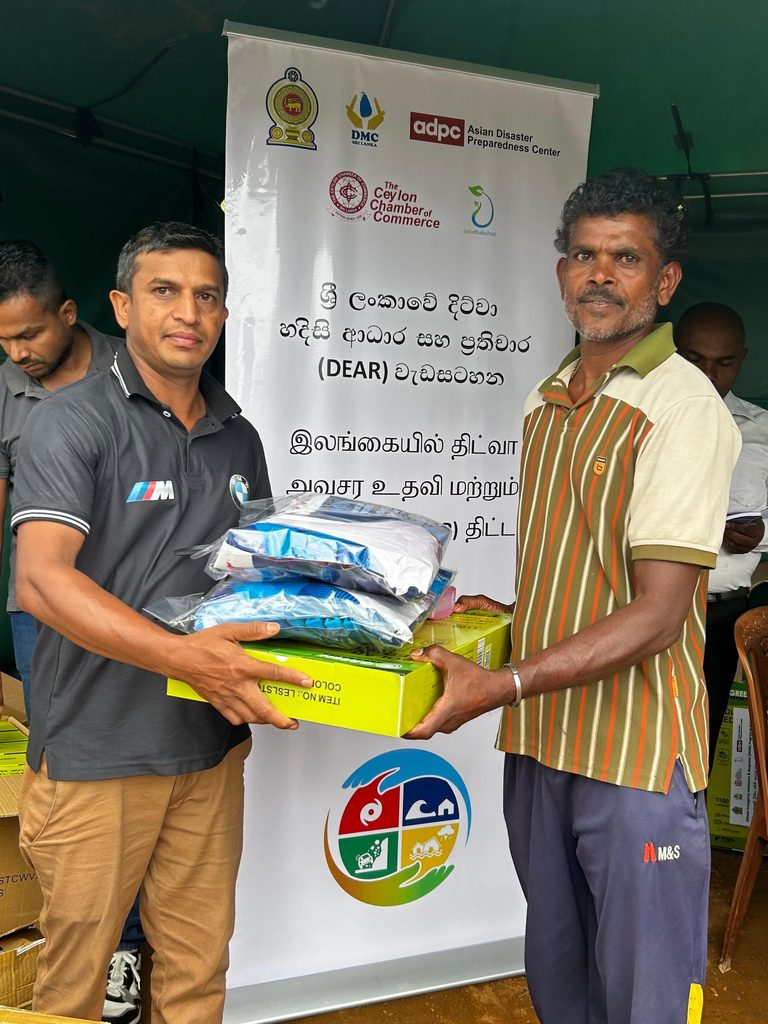
The response also addressed practical needs faced by families living in temporary shelters and safety centres following the disaster. Non-food assistance, including solar lighting, mosquito nets and hygiene-related supplies, helped improve safety, health protection and living conditions. Beneficiaries reported that solar lights improved household safety and enabled children to study at night, while also reducing expenditure on alternative lighting. Mosquito nets and hygiene-related supplies further supported healthier living conditions in temporary shelters.
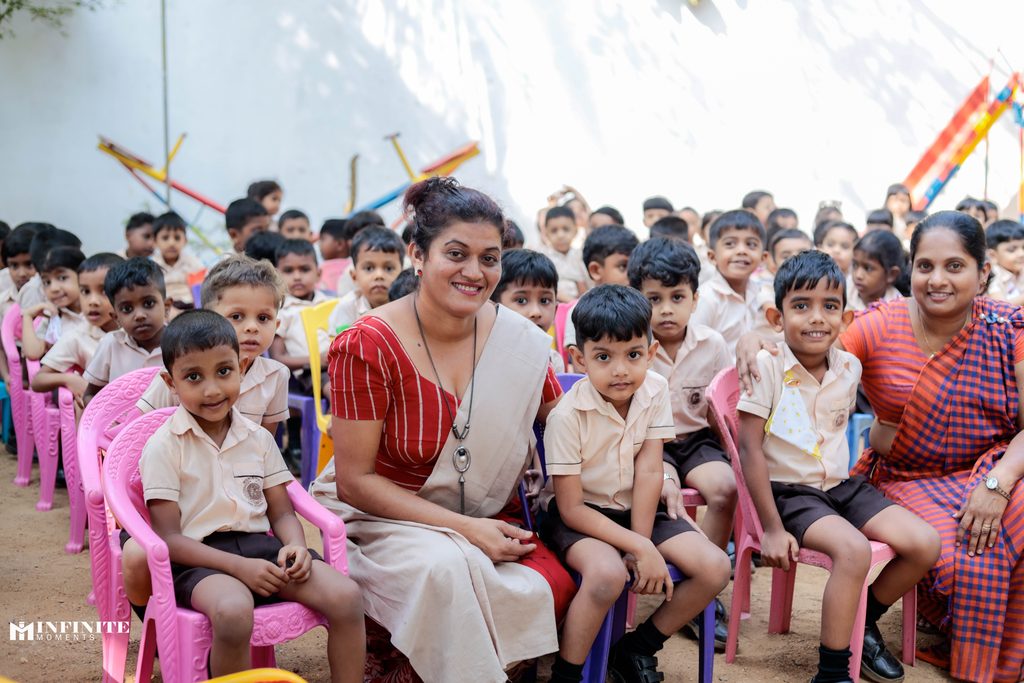
Recovery from a disaster is not limited to restoring physical infrastructure. Children and their caregivers may also experience emotional and psychosocial impacts, making child-centred support an important part of the recovery process. Through the CCDRR and Psychosocial Support component, the DEAR Programme supported disaster-affected preschool children while strengthening teachers’ capacity to provide psychosocial care during emergencies. The programme combined psychosocial support with child-centred disaster risk reduction and play-based learning activities. These interventions contributed to improvements in children’s emotional wellbeing and confidence, with parents and teachers reporting positive changes following children’s participation in the activities.
The DEAR Programme demonstrates the value of an integrated approach to post-disaster recovery, one that combines the restoration of essential services with practical household assistance, psychosocial support and disaster risk reduction.
The assistance was timely, relevant and responsive to priority needs, with high levels of beneficiary satisfaction across the intervention areas. Strong coordination with government institutions and local stakeholders, community participation and continuous assessment as recovery needs evolve were crucial for this intervention.
For Janathakshan, the DEAR Programme reflects a commitment to people-centred disaster response and recovery, supporting communities to restore essential services, address immediate vulnerabilities and strengthen their capacity to cope with future risks. The experience also reinforces the importance of connecting emergency assistance with early recovery, preparedness and community resilience. By working in coordination with government institutions, local stakeholders and communities, the programme contributes to a more inclusive and sustainable approach to post-disaster recovery.