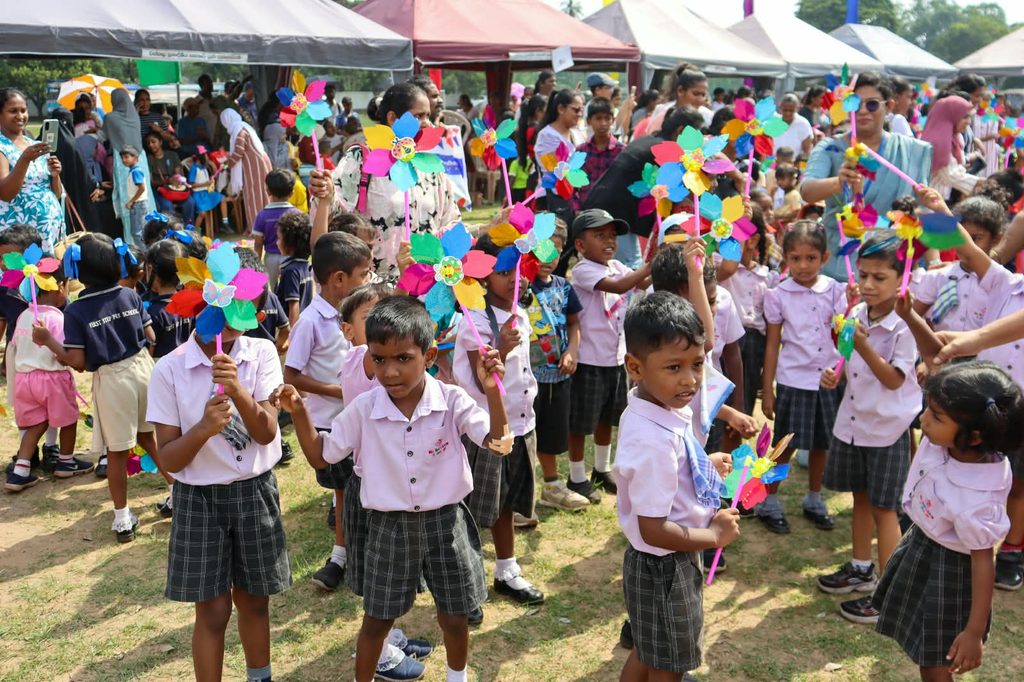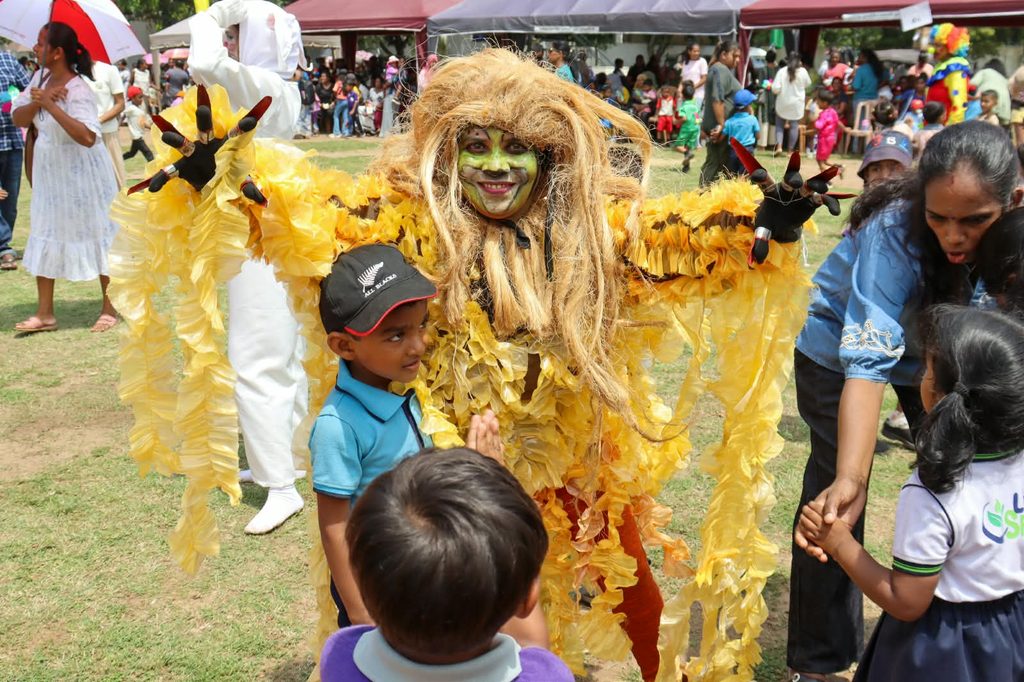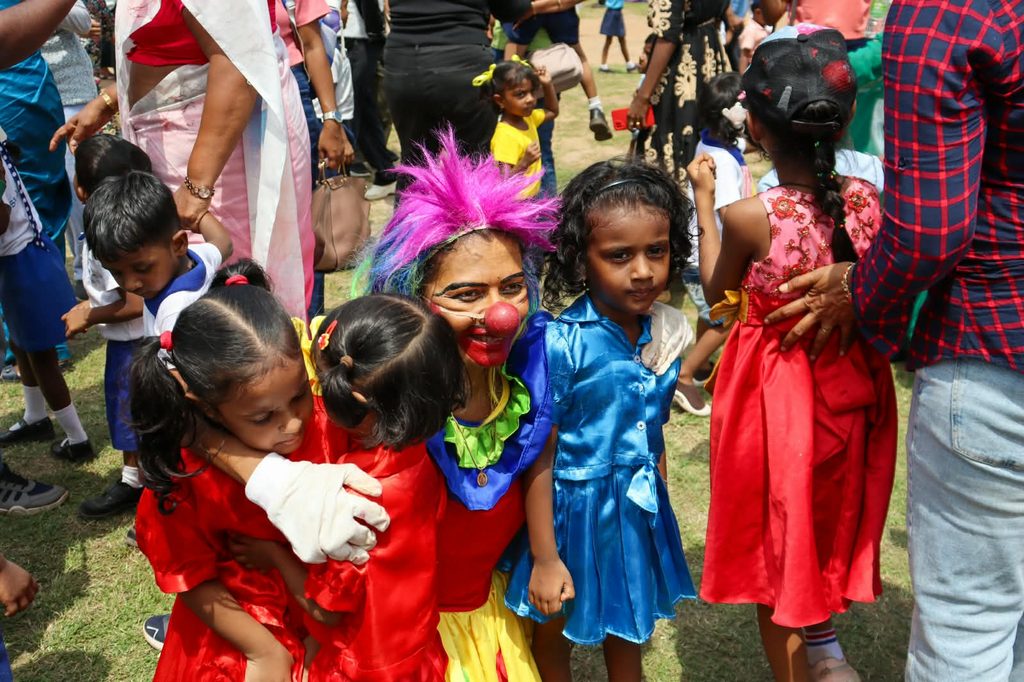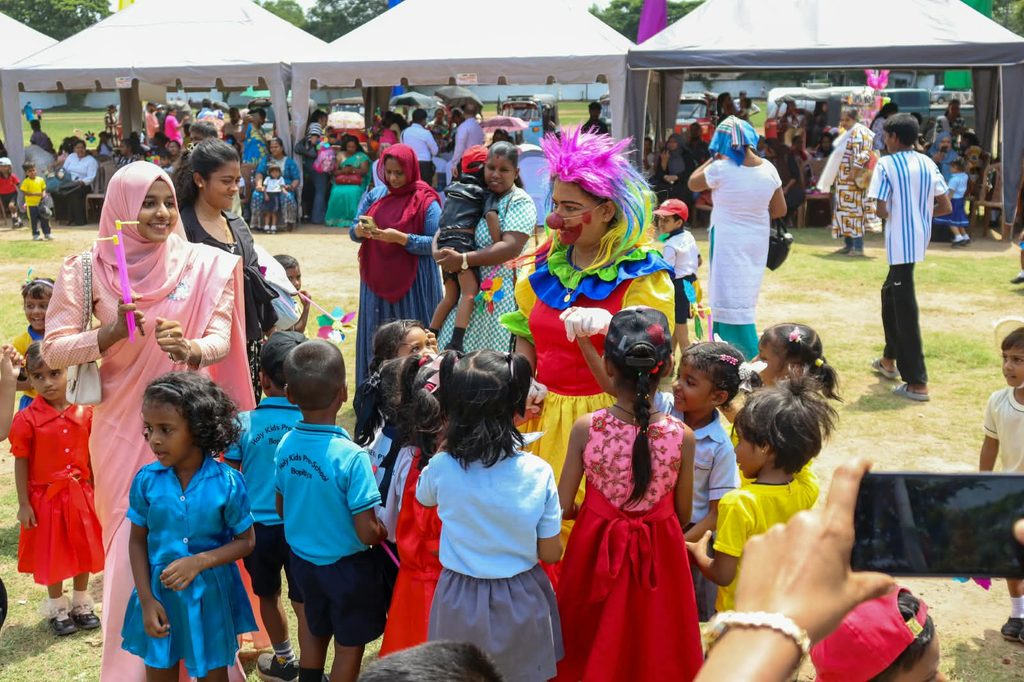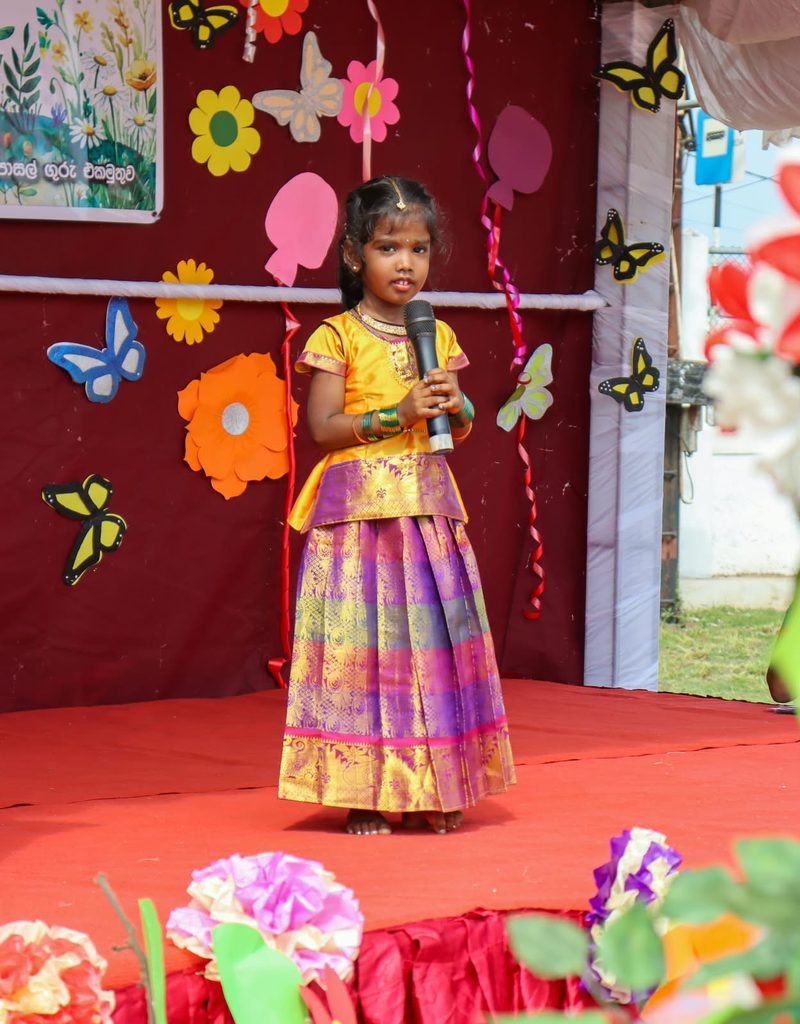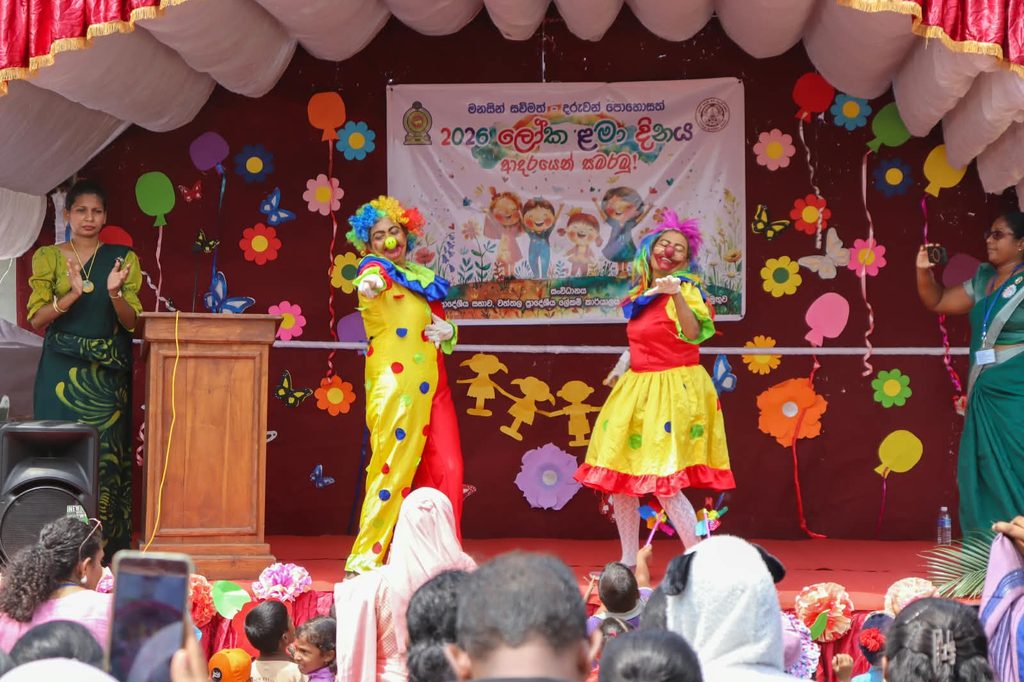
A Children’s Day celebration and environmental awareness campaign was organized by the Wattala Pradeshiya Sabha, with the support of the PHINLA Project, on 2 October 2026 at the Welisara Nawaloka Ground, Wattala.
The event was organized under the PHINLA II Project, co-funded by the German Federal Ministry for Economic Cooperation and Development (BMZ) and World Vision Germany, and implemented by World Vision Lanka in partnership with Janathakshan GTE Ltd. The project promotes inclusive and sustainable approaches to waste and resource management while strengthening community participation and awareness.
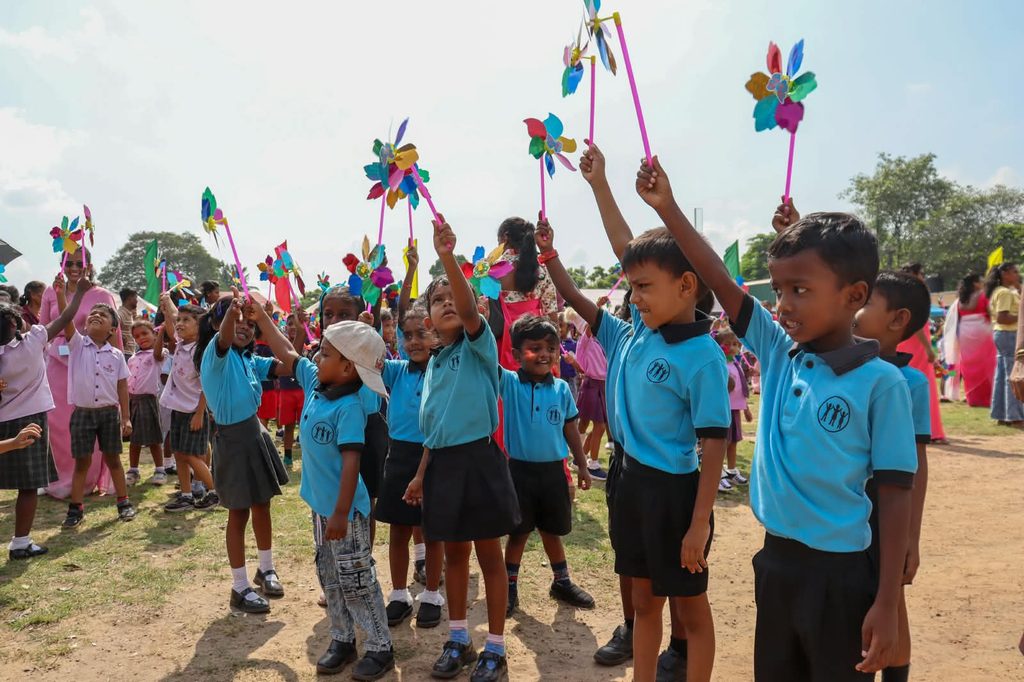
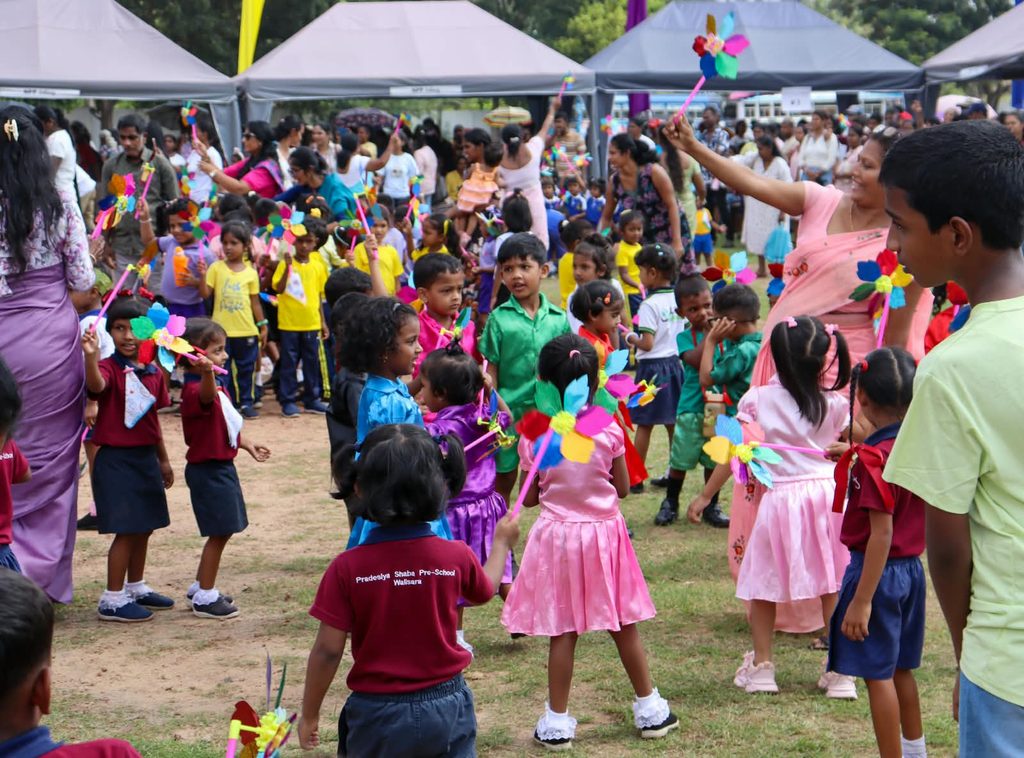
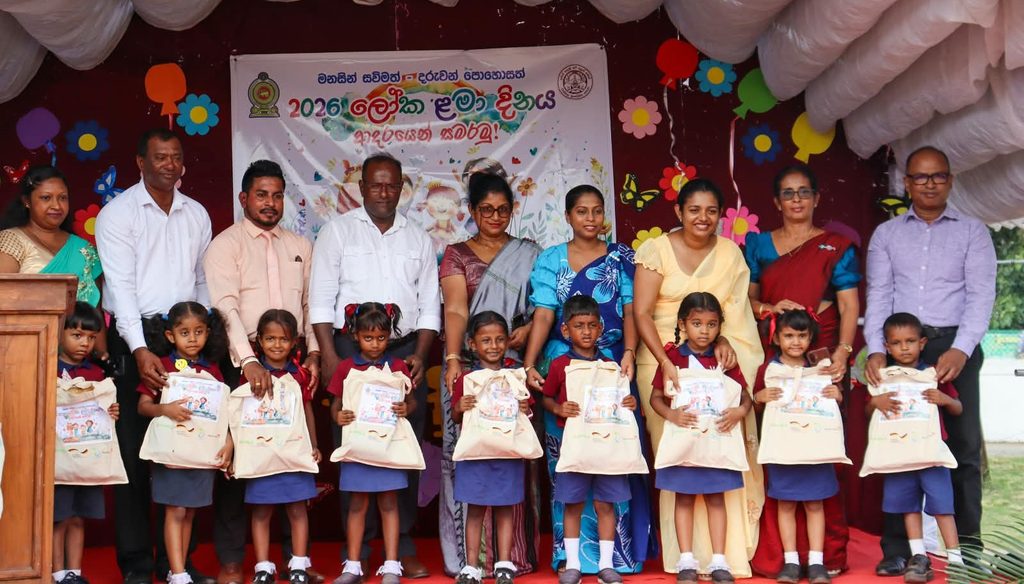
The event brought together approximately 750 pre-school children, along with their parents and teachers, for a day focused on celebrating children while promoting greater awareness of responsible waste and resource management. Gifts were presented to the participating children as a gesture of appreciation and encouragement.
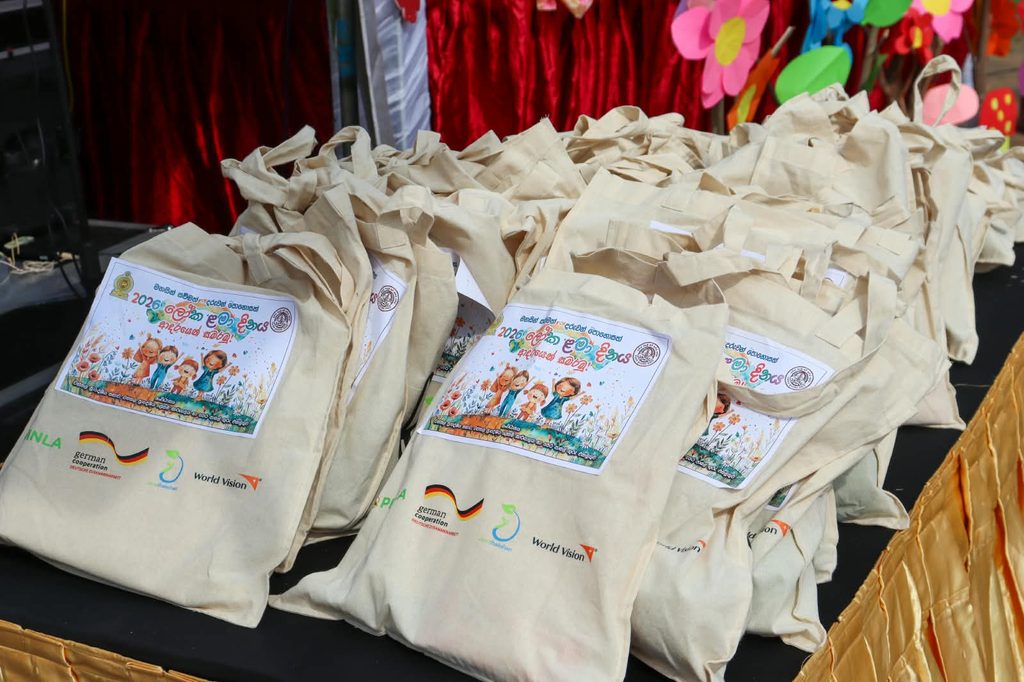
The environmental awareness component of the programme focused on the importance of preventing plastic pollution, reducing the use of single-use plastics, and promoting plastic recycling. As part of the PHINLA Project’s support, special cloth bags were provided to present the gifts to children, offering a practical alternative to shopping bags and plastic packaging while promoting more environmentally responsible choices.
PHINLA Project leaflets were also distributed among parents and other participants, introducing the project and sharing key messages on responsible resource management, recycling, and sustainable waste practices.
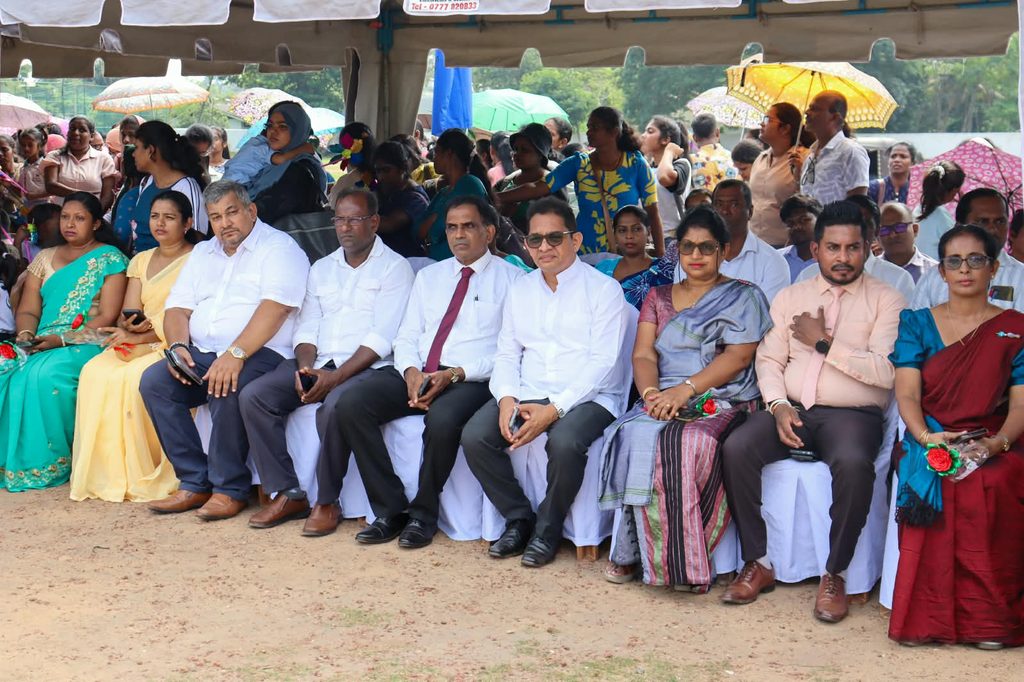
The event was attended by Mr. Krishantha Abeyratne, Minister of Science and Technology, the Chairman, Secretary and Members of the Wattala Pradeshiya Sabha, representatives of the Wattala Divisional Secretariat, as well as pre-school children, parents, teachers, and the PHINLA/Janathakshan team.
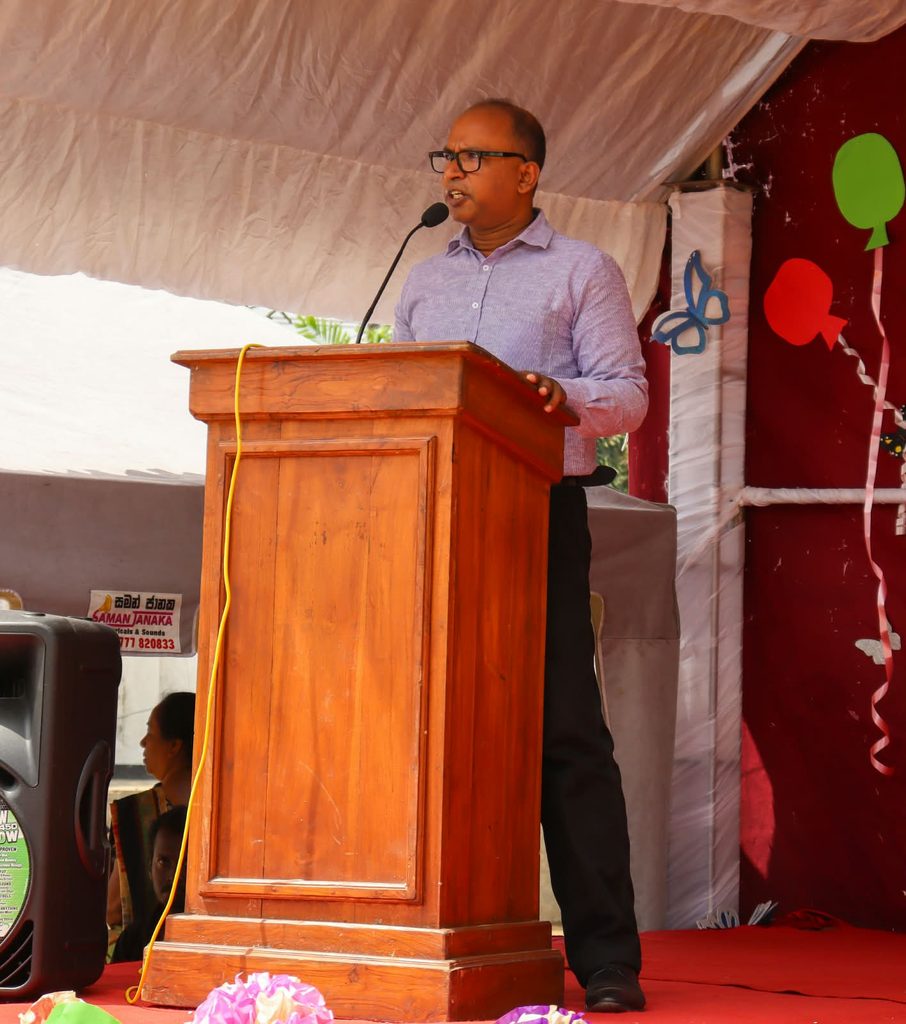
Representing Janathakshan GTE Ltd., Mr. India Priyanthalal addressed the gathering and engaged with children, parents, and other stakeholders on responsible plastic use, recycling, and resource management, while also introducing the PHINLA Project and its objectives.
The programme provided an important platform to combine children’s celebrations with practical environmental education, encouraging families and communities to adopt responsible plastic and waste management practices and contribute towards cleaner and more sustainable communities.