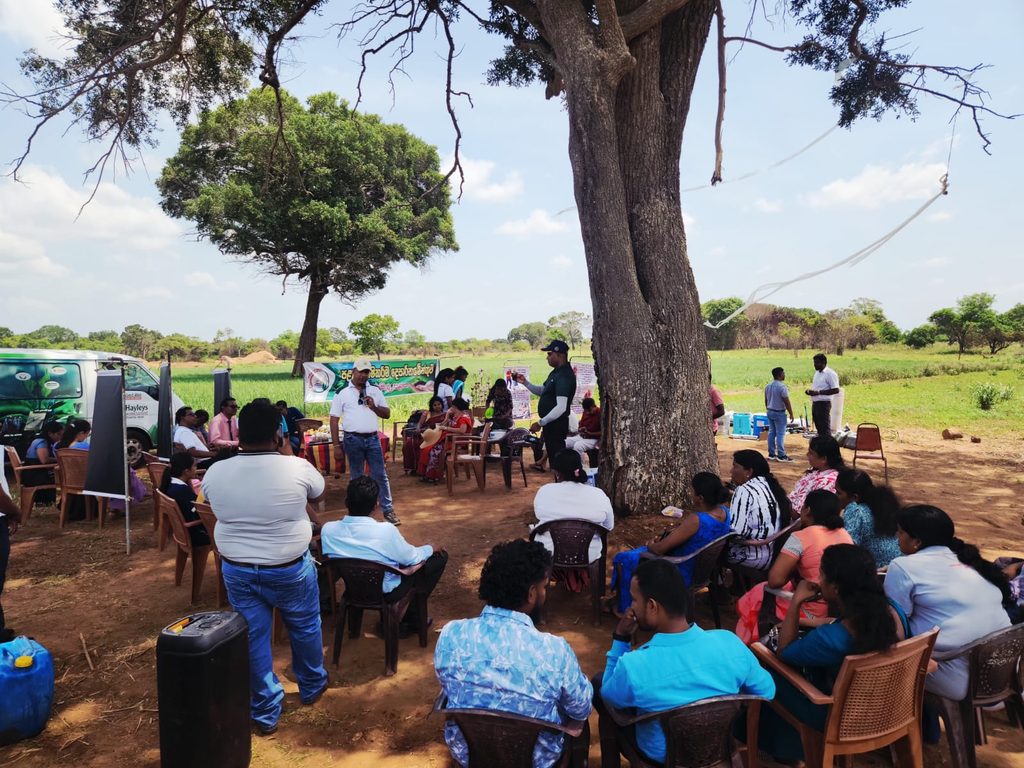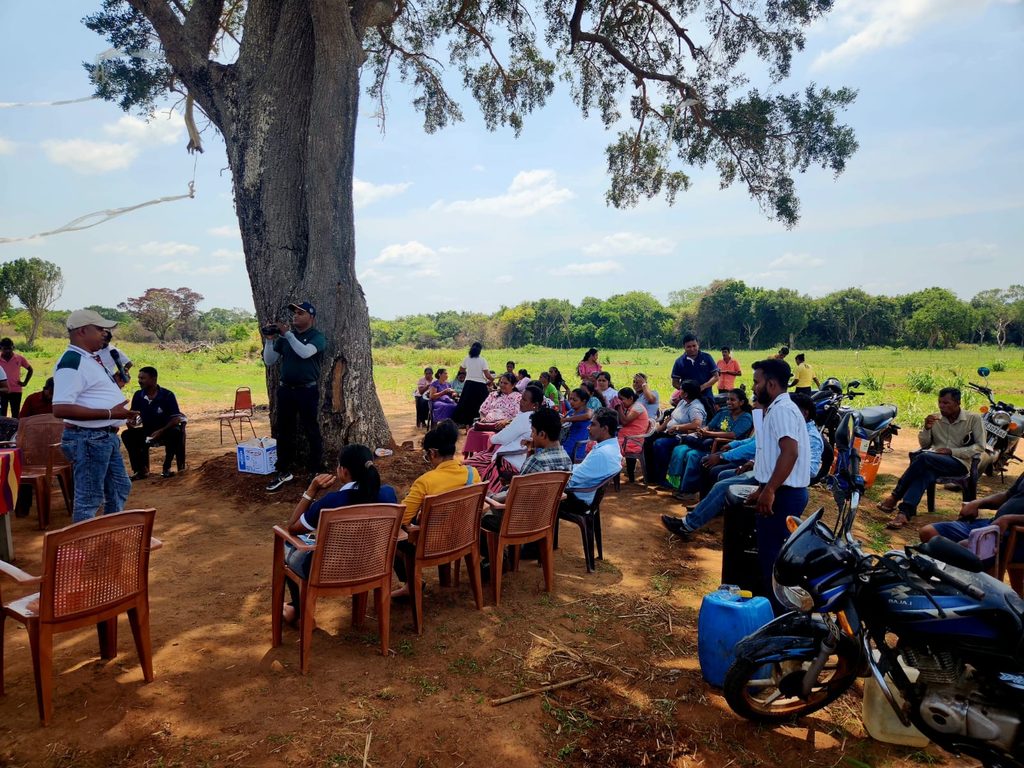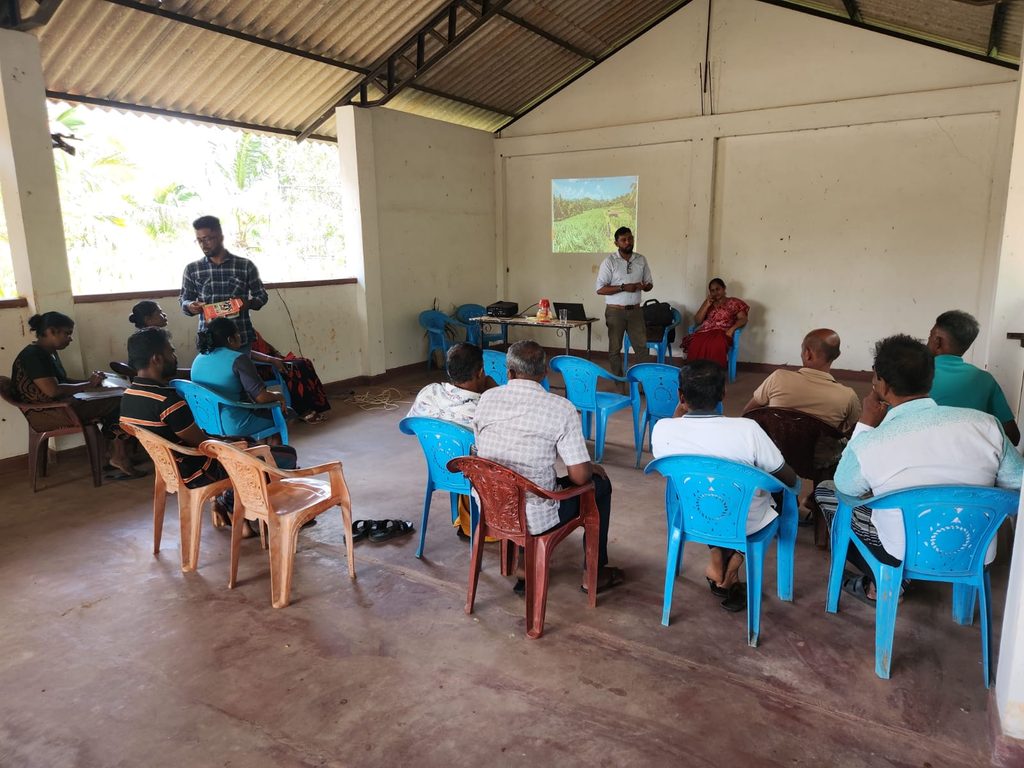
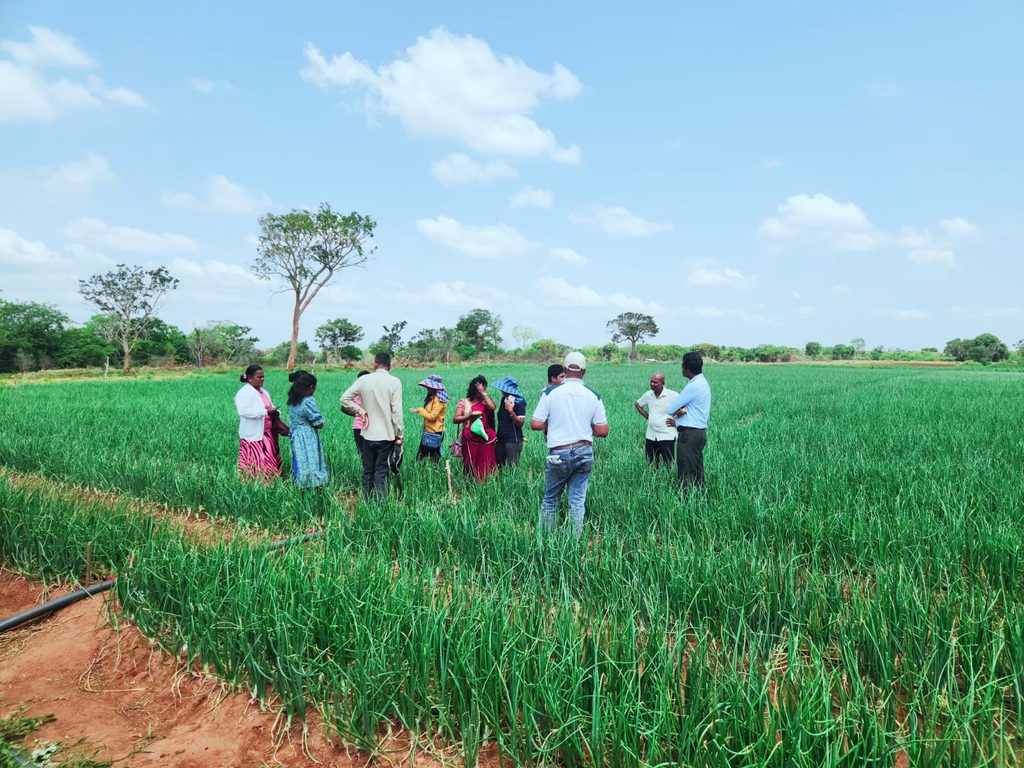
As climate variability continues to create new challenges for farming communities, strengthening farmers’ knowledge and preparedness has become increasingly important. As part of the “Water, Sustainable Farming & Livelihoods: Strengthening Sri Lankan Farming Families’ Climate Resilience” project, a practical training programme was conducted to support farming families in adopting climate-resilient agricultural and livestock management practices.
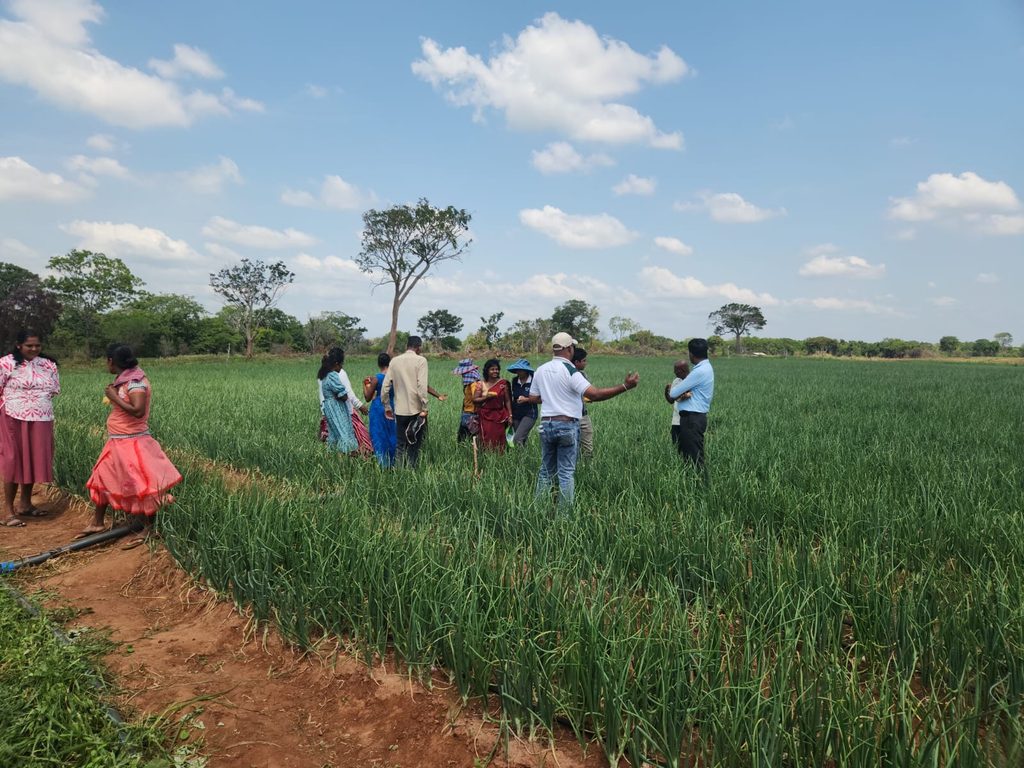
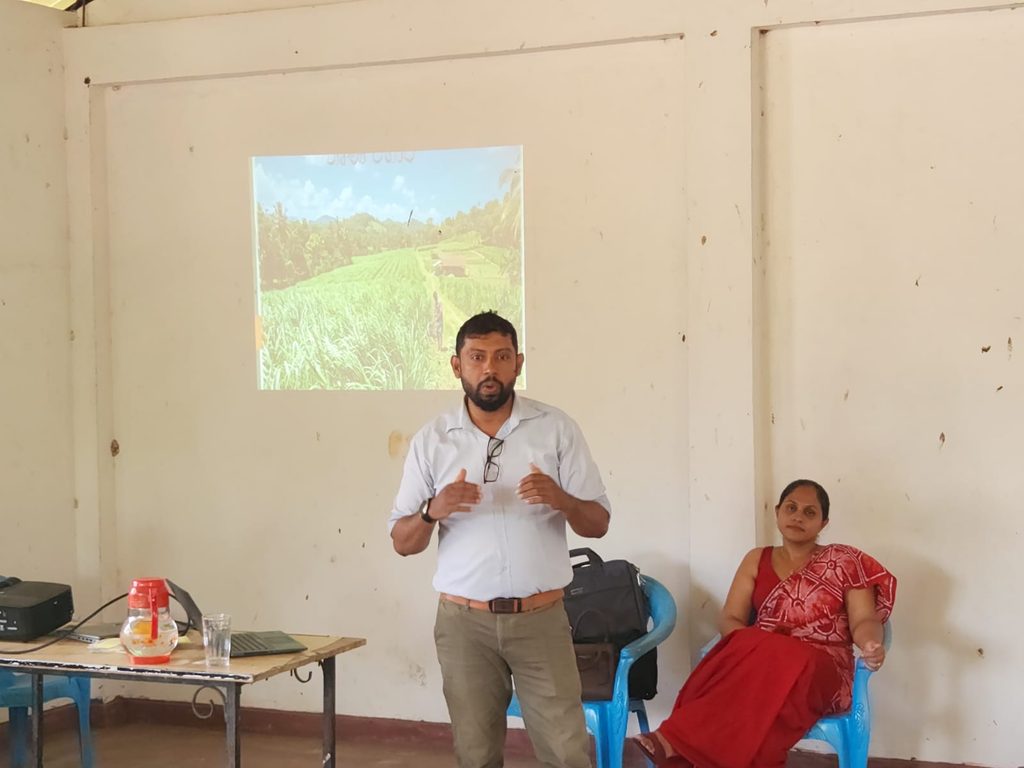
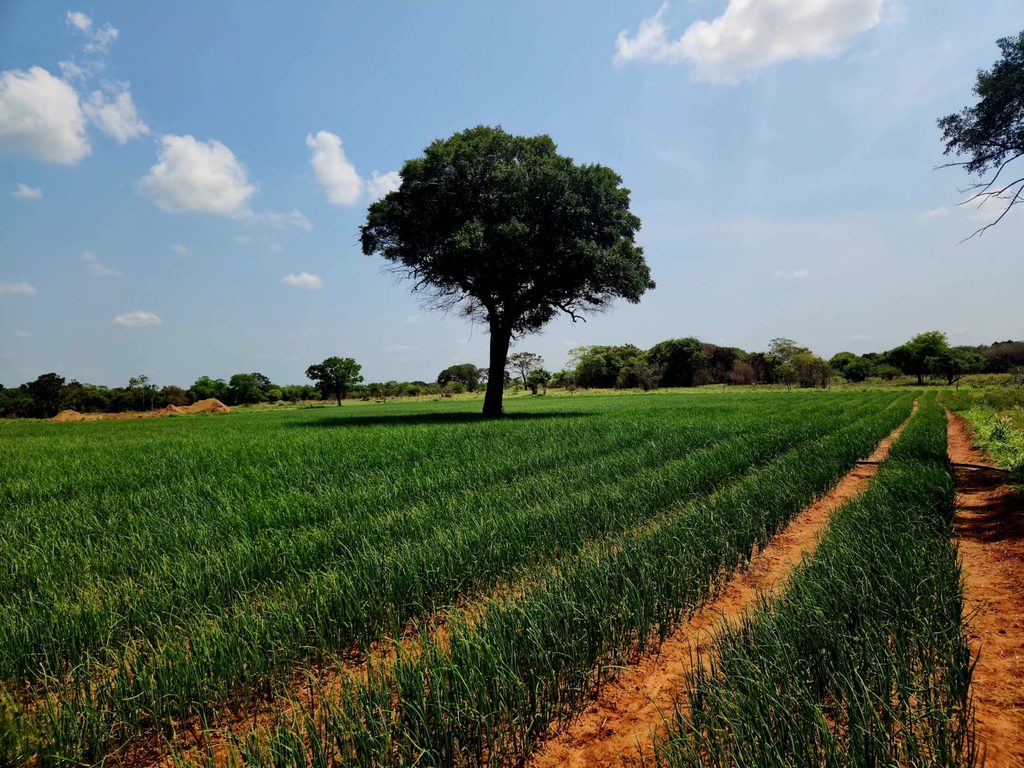
The programme was organized with the participation of the Provincial Department of Agriculture and Hayleys Group, focusing on modern and improved techniques for big onion (බී ලූනු) cultivation. Farmers from the Ambagahawela and Ahetuwagama Grama Niladhari Divisions participated in the programme and gained knowledge on improved cultivation methods and technologies that can contribute to more productive and sustainable farming.
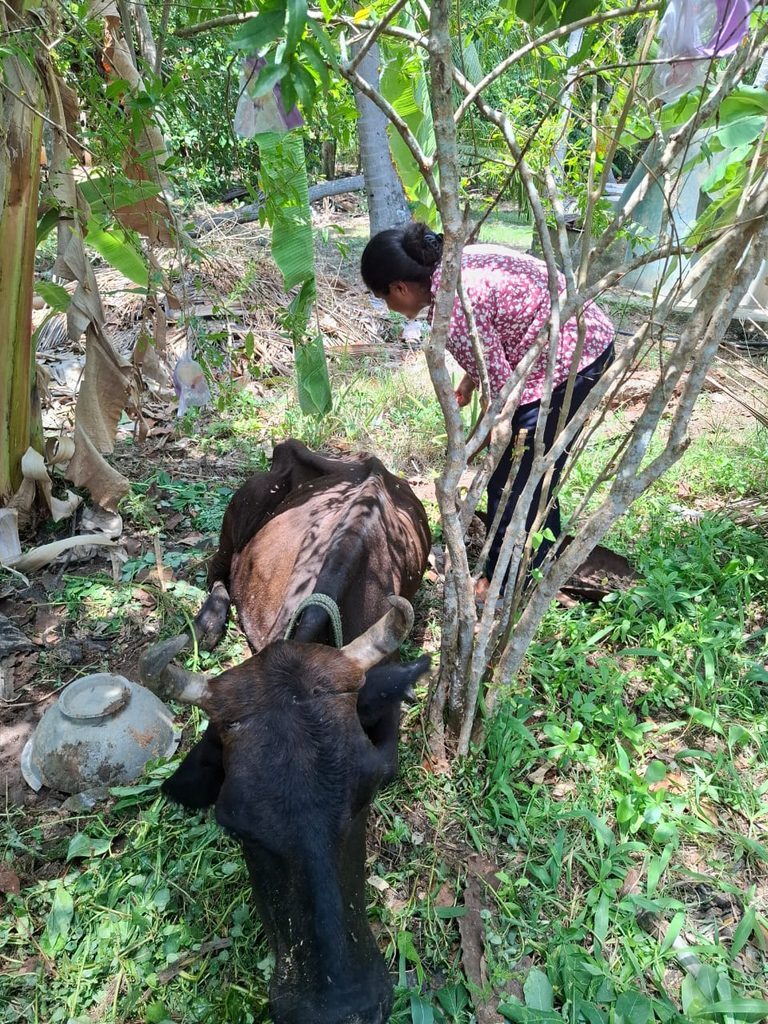
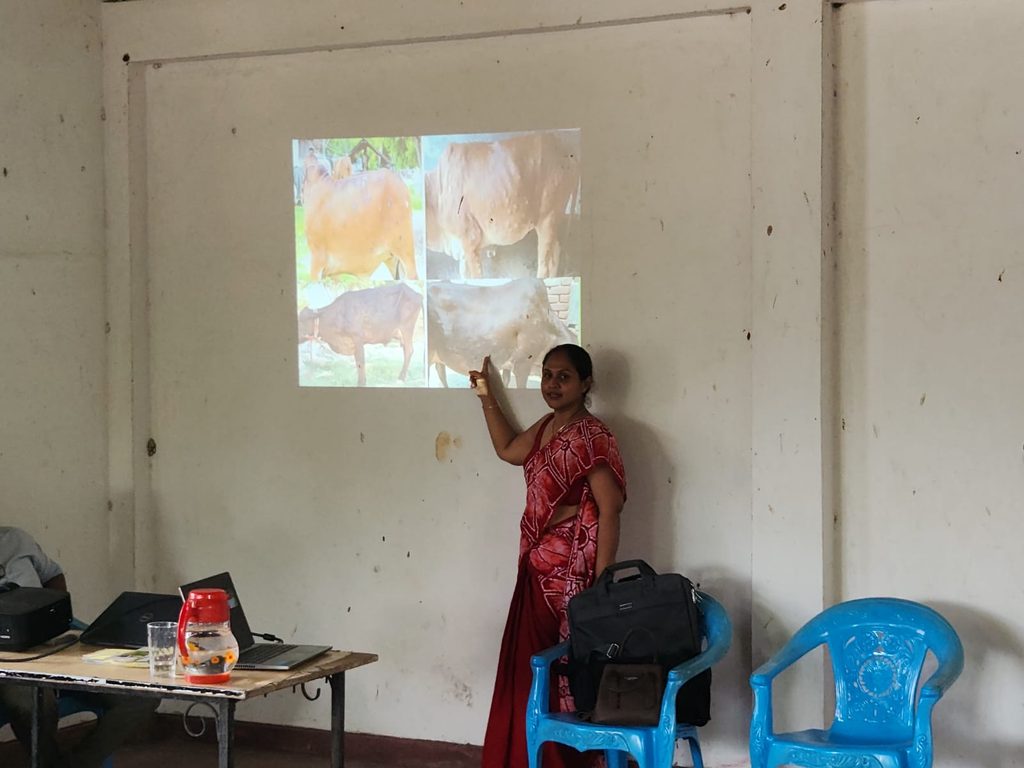
A key component of the programme was awareness-building on the challenges faced by livestock farmers during periods of dry weather and changing climatic conditions. Farmers were informed about the rapid spread of viral diseases and other illnesses that can affect cattle during stressful climatic conditions, as well as the importance of maintaining proper nutrition to support animal health and productivity.
The programme also highlighted the importance of early prevention, proper animal care and timely veterinary attention. Participants were guided on practical precautions that farmers can take to reduce disease risks and protect their livestock, particularly during prolonged dry periods and climate-related stresses.
The Area Veterinary Doctor, Livestock Development Instructors (LDIs), and Development Officers from the Divisional Secretariat also participated in the programme, providing technical guidance and responding to farmers’ concerns.
Following the awareness session, farmers and officials participated in a field visit, providing an opportunity to observe farming practices, discuss challenges faced at the field level and explore practical solutions together. The field-based approach helped connect technical knowledge with the day-to-day realities of farming families.
The programme reflects the importance of bringing together farmers, government technical officers and private-sector expertise to strengthen local agricultural systems. By improving access to knowledge, appropriate technologies and practical climate-resilient practices, such initiatives can help farming families better prepare for changing environmental conditions while protecting their livelihoods.
The initiative is implemented under the Water, Sustainable Farming & Livelihoods: Strengthening Sri Lankan Farming Families’ Climate Resilience project, funded by the Paul Lieberman Family Foundation through Green Empowerment.
Through continued collaboration, knowledge sharing and community-level action, the project aims to contribute towards more resilient farming families, healthier livestock, sustainable agriculture and stronger rural livelihoods in the face of climate change.