
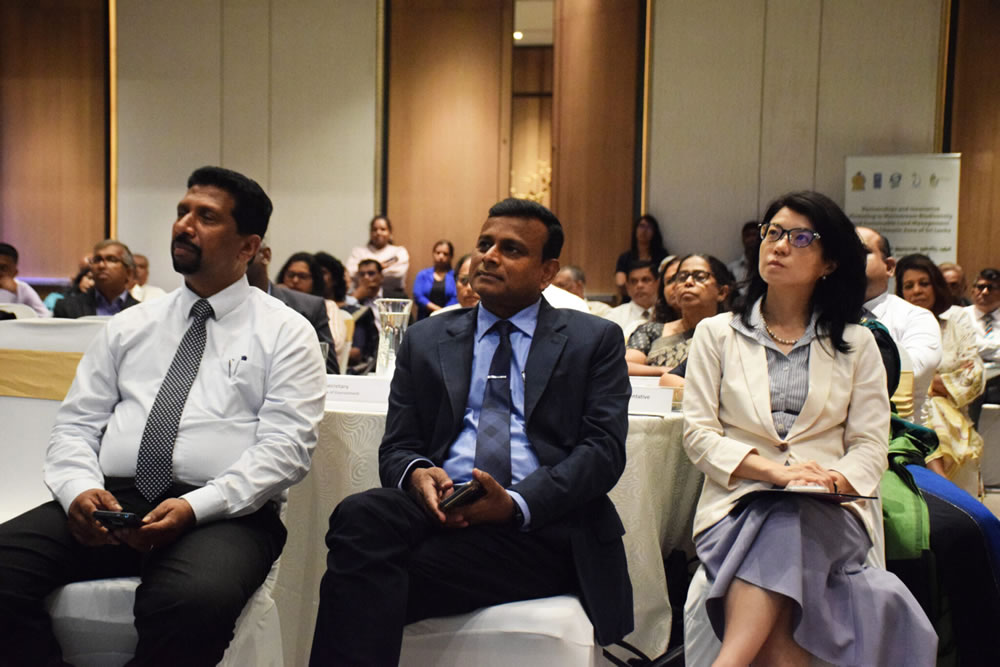
A Plantation Sector Forum under the “Partnerships and InnovativeFinancing to Mainstream Biodiversity and Sustainable LandManagement in Sri Lanka’s Wet Zone (GEF-7 Project)” wassuccessfully held on 04 March 2026 in Colombo, bringing together keystakeholders from across the plantation sector. The forum convened around 100 participants, includingrepresentatives from government agencies related to the plantationsector, plantation companies, development agencies, and academicexperts. The event provided an important platform for dialogue,collaboration, and knowledge sharing among stakeholders workingtowards strengthening sustainability within Sri Lanka’s plantationlandscape. During the forum, participants were introduced to the objectives andstrategic focus of the GEF-7 project, highlighting its importance for theplantation sector in promoting sustainable land management (SLM)and biodiversity conservation. Discussions explored how theseapproaches can be integrated into plantation management practicesto enhance long-term environmental sustainability while supportingsectoral productivity and resilience. A key focus of the project is the promotion of Public-Private-PeoplePartnerships (PPPP) to strengthen collaboration between governmentinstitutions, private plantation companies, local communities, anddevelopment partners. The forum also highlighted the project’semphasis on innovative financing mechanisms, including theexploration of new financial approaches that support biodiversityconservation and sustainable land management within plantationlandscapes. Representatives from government agencies and plantation sectorcompanies actively shared their experiences, ideas, and suggestionsduring the discussions. Participants also reflected on existingchallenges in integrating sustainable practices within plantationsystems and explored potential pathways and collaborative actions toaddress them. The forum concluded with a shared understanding of the importanceof collective action and partnerships in advancing sustainableplantation management, ensuring both environmental conservationand long-term economic sustainability for the sector.
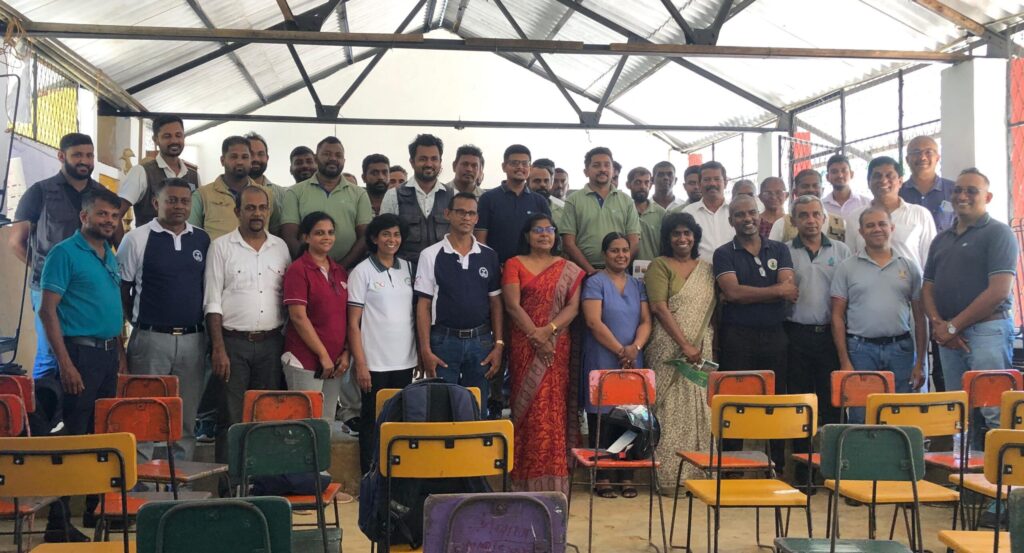
Tea, Rubber & Cinnamon Mobile Land Clinic Conducted in Kegalle District under GEF-7 Project
A Mobile Land Clinic on Tea, Rubber, and Cinnamon was successfully conducted on 02nd and 03rd April 2026 at the Vincit Miyanavita, Densworth, and Dewalakanda Estates in the Kegalle District, under the GEF-7 Project – Partnerships and Innovative Financing to Mainstream Biodiversity and Sustainable Land Management in Sri Lanka’s Wet Zone. The programme brought together technical expertise from key institutions, including the Tea Research Institute (TRI), Tea Small Holdings Development Authority (TSHDA), Rubber Research Institute (RRI), National Rubber Master Plan Management Unit (NRMC), National Cinnamon Research and Training Centre (NCRTC), and the Rubber Development Department (RDD). The Mobile Land Clinic served as a practical platform for estate communities and smallholders to engage directly with technical officers and experts. During the sessions, participants were able to identify and discuss key challenges related to tea, rubber, and cinnamon cultivation. Expert guidance was provided on a range of critical areas, including soil conservation practices, fertilizer application, soil testing methods, soil quality improvement, pest and disease management, and other essential technical interventions required to enhance productivity and sustainability. The programme emphasized the importance of sustainable land management (SLM) and biodiversity conservation practices within plantation landscapes, aligning with the broader objectives of the GEF-7 project to promote environmentally sustainable and climate-resilient agricultural systems. The sessions were conducted with active participation, knowledge exchange, and practical engagement, enabling participants to gain valuable insights and technical solutions tailored to their local contexts. This initiative highlights the importance of multi-stakeholder collaboration in strengthening the plantation sector while ensuring long-term environmental sustainability and improved livelihoods for communities in the wet zone.
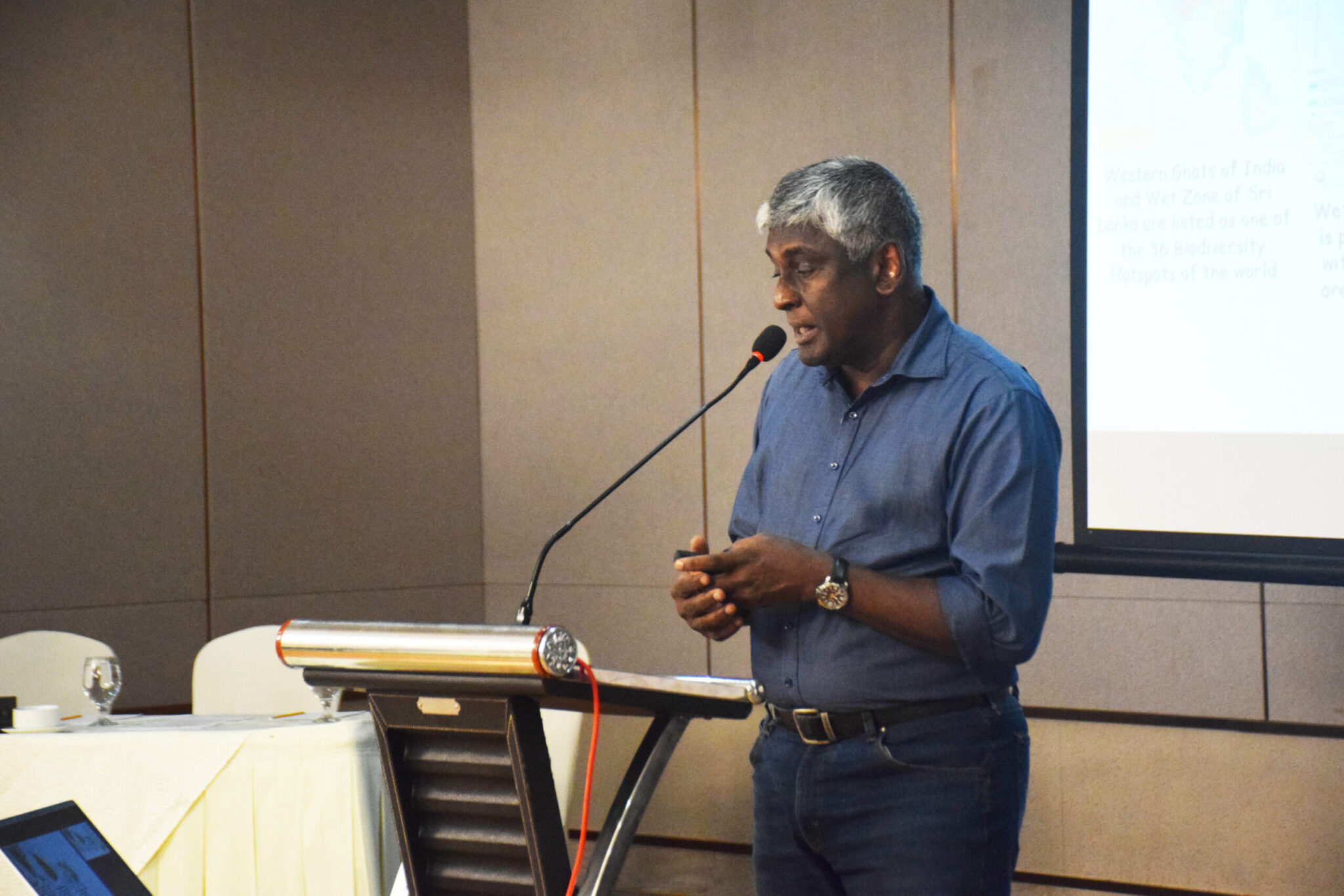
Workshop on Biodiversity Assessments & Conservation Prioritization in Plantation Landscapes
The Workshop on Preliminary Biodiversity Assessments and Conservation Prioritization inPlantation Landscapes, conducted under the GEF-7 Project “Partnerships and InnovativeFinancing to Mainstream Biodiversity and Sustainable Land Management in Sri Lanka’s WetZone”, was successfully held on 29 January 2026. The workshop was organized in collaboration with the Biodiversity Secretariat of the Ministryof Environment, the Ministry of Plantation and Community Infrastructure, and UNDP SriLanka, bringing together technical experts, government officials, representatives fromregional plantation companies, and other key stakeholders. The session provided animportant platform to strengthen collective efforts toward conserving biodiversity withinplantation landscapes in Sri Lanka’s wet zone. Discussions focused on the progress and emerging findings of preliminary biodiversityassessments, along with the prioritization of conservation sites and the selection of pilotinterventions. Participants also explored opportunities to integrate sustainable plantationpractices, including agroforestry approaches and improved land-use efficiency, to enhanceecological resilience while maintaining productivity. The workshop further highlighted the growing importance of certification systems,regenerative agriculture practices, and compliance with evolving international requirementssuch as the EU Deforestation Regulation (EUDR). In addition, innovative financingmechanisms, such as biodiversity credits and new partnership models, were discussed aspotential pathways to mobilize resources and incentivize biodiversity-friendly practiceswithin the plantation sector. The organizers extended their sincere appreciation to all resource persons and participantsfor their valuable insights and active engagement. Their contributions played a vital role inadvancing dialogue and collaboration toward building resilient, sustainable, and biodiversity-friendly plantation ecosystems in Sri Lanka’s wet zone.