Canal Cleaning Programme Launched in Horape, Wattala to Restore Environment and Livelihoods
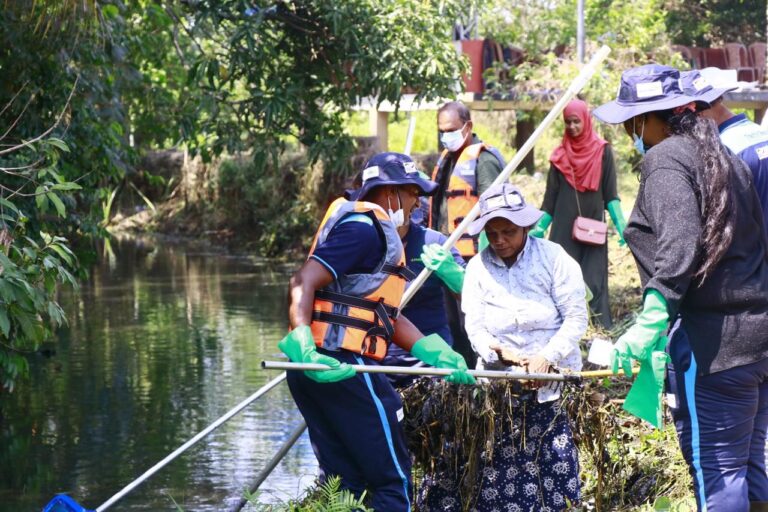
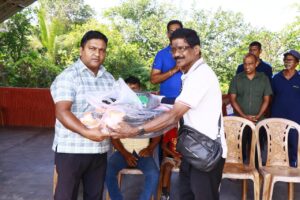
A three-day canal cleaning programme was successfully launched yesterday (28th January 2026) in Horape, Wattala, under the Livelihood Development Support & Waste Management Programme, with funding support from the United Nations Development Programme (UNDP). The initiative aims to restore environmental conditions in areas affected by the recent floods while simultaneously supporting the livelihoods of Informal Waste Collectors (IWCs) whose income sources were disrupted by the disaster.
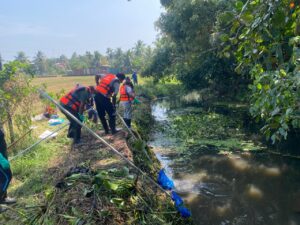
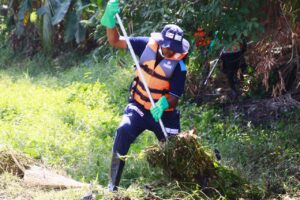
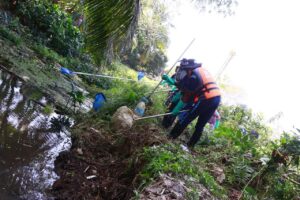
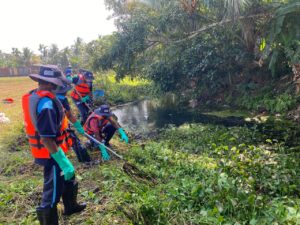
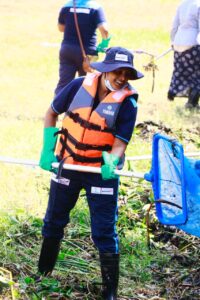
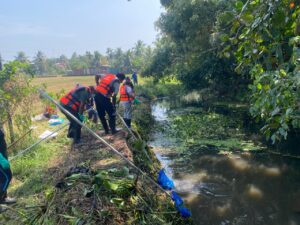
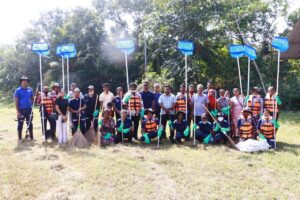
On the first day of operations, around 25 Informal Waste Collectors from flood-affected communities were engaged through a cash-for-work mechanism, enabling them to earn income while actively contributing to environmental clean-up efforts. The canal cleaning focused on removing flood debris, accumulated waste, and blockages that contribute to water stagnation and increased flood risk, thereby improving local drainage and public health conditions.
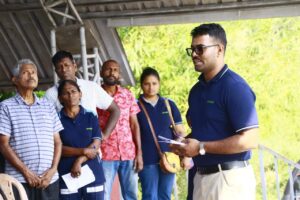
Janathakshan played a key role in coordinating and supporting the programme by mobilizing IWCs, facilitating community-level engagement, and working closely with local authorities to ensure smooth implementation. Through its long-standing engagement in inclusive waste management and livelihood recovery, Janathakshan ensured that the intervention addressed both environmental restoration and socio-economic recovery needs in a dignified and inclusive manner.
This initiative reflects a practical, people-centered approach to post-disaster recovery, linking environmental rehabilitation with livelihood support for vulnerable workers. The canal cleaning activities will continue over the next two days, contributing to improved flood resilience, cleaner surroundings, and strengthened livelihoods within the Horape and Wattala areas.
Through collaborative efforts between local authorities, development partners, and community members, the programme demonstrates how integrated waste management and livelihood interventions can support resilient recovery in flood-affected urban and peri-urban communities.