Workshop on Biodiversity Assessments & Conservation Prioritization in Plantation Landscapes
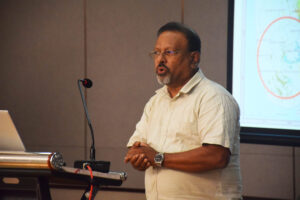
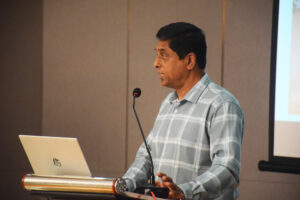
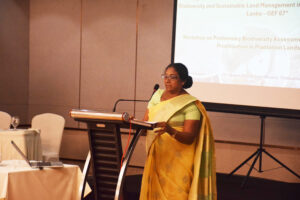
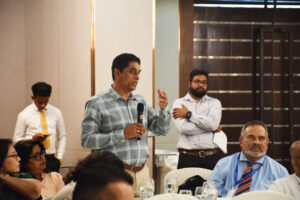
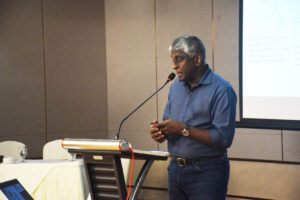
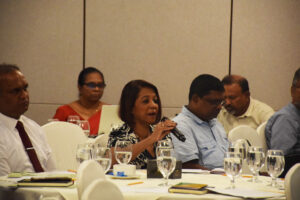
The Workshop on Preliminary Biodiversity Assessments and Conservation Prioritization inPlantation Landscapes, conducted under the GEF-7 Project “Partnerships and InnovativeFinancing to Mainstream Biodiversity and Sustainable Land Management in Sri Lanka’s WetZone”, was successfully held on 29 January 2026.
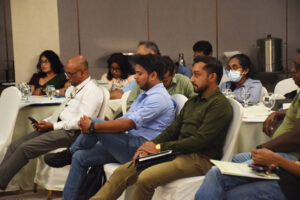
The workshop was organized in collaboration with the Biodiversity Secretariat of the Ministryof Environment, the Ministry of Plantation and Community Infrastructure, and UNDP SriLanka, bringing together technical experts, government officials, representatives fromregional plantation companies, and other key stakeholders. The session provided animportant platform to strengthen collective efforts toward conserving biodiversity withinplantation landscapes in Sri Lanka’s wet zone.
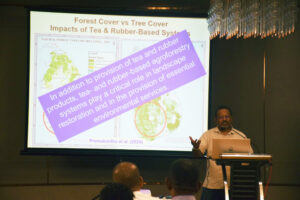
Discussions focused on the progress and emerging findings of preliminary biodiversityassessments, along with the prioritization of conservation sites and the selection of pilotinterventions. Participants also explored opportunities to integrate sustainable plantationpractices, including agroforestry approaches and improved land-use efficiency, to enhanceecological resilience while maintaining productivity.
The workshop further highlighted the growing importance of certification systems,regenerative agriculture practices, and compliance with evolving international requirementssuch as the EU Deforestation Regulation (EUDR). In addition, innovative financingmechanisms, such as biodiversity credits and new partnership models, were discussed aspotential pathways to mobilize resources and incentivize biodiversity-friendly practiceswithin the plantation sector.
The organizers extended their sincere appreciation to all resource persons and participantsfor their valuable insights and active engagement. Their contributions played a vital role inadvancing dialogue and collaboration toward building resilient, sustainable, and biodiversity-friendly plantation ecosystems in Sri Lanka’s wet zone.