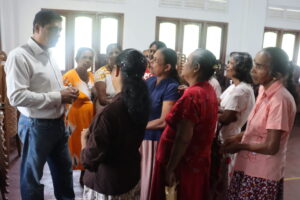
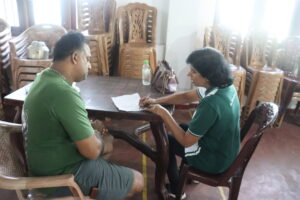
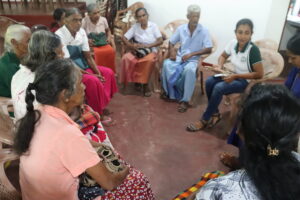
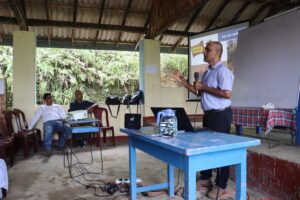
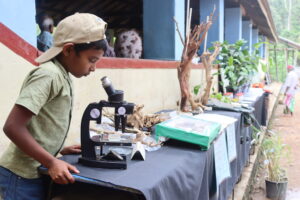
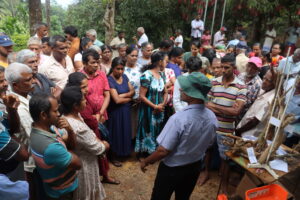
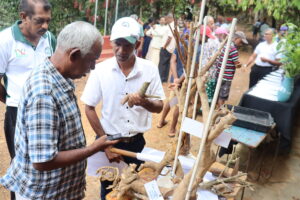
Under the GEF-7 Project titled “Partnerships and Innovative Financing to Mainstream Biodiversity and Sustainable Land Management in the Wet Climatic Zone of Sri Lanka,” Janathakshan facilitated a series of mobile tea clinic programmes from 12th to 15th December 2025 across the Kalutara and Ratnapura districts.
Implemented in collaboration with the Ministry of Environment, the Ministry of Plantation and Community Infrastructure, and with the support of the United Nations Development Programme (UNDP), the initiative aimed to strengthen sustainable land management practices, biodiversity conservation, and livelihood resilience among tea and rubber smallholders.
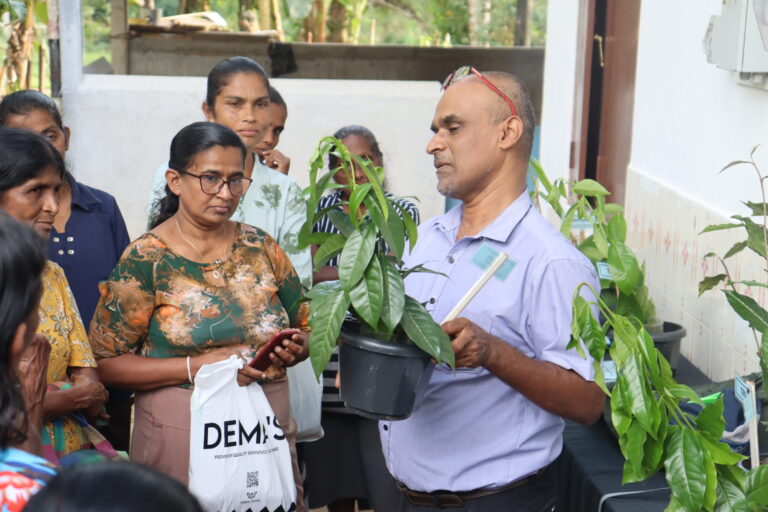
The mobile tea clinics were introduced in response to identified knowledge gaps among smallholder tea growers, particularly in areas such as soil management, pest and disease control, appropriate cultivars, and sustainable agricultural practices. These clinics provided direct, field-based technical support, enabling farmers to access expert guidance within their own communities.
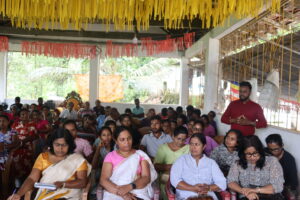
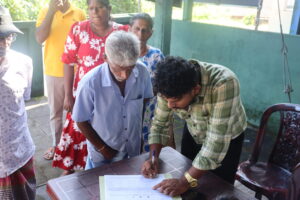
Conducted across multiple locations including Kelinkanda (Molkawa), Pebotuwa (Kalawana), Nivithigala, Kahawatta, and Hangurangala, the programme engaged a large number of smallholder farmers, with participation exceeding 600 individuals.
The sessions were technically facilitated by experts from the Tea Research Institute (TRI) and other sector specialists, covering key areas such as:
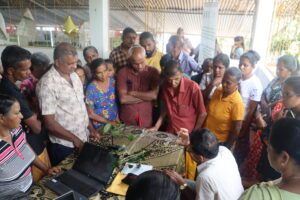
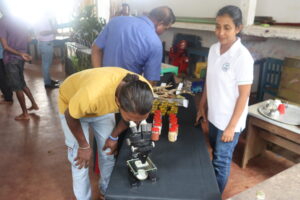
- Soil testing for acidity, organic matter, and nutrient levels to guide correct fertilizer application
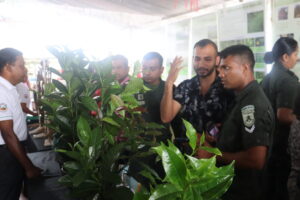
- Identification and management of pests and diseases
- Soil conservation techniques and appropriate cultivar selection
- Improved harvesting and post-harvesting practices
- Nursery management and propagation techniques
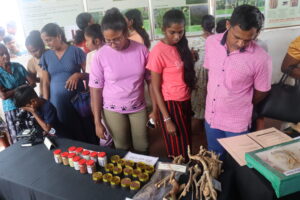
- Handmade and artisanal tea production, particularly targeting women and youth groups
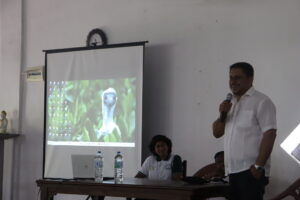
In addition to technical training, the programme created space for interactive discussions with youth groups and farmer communities, exploring opportunities for tea-based livelihoods, agroforestry models, biodiversity conservation, and value chain development. Discussions also highlighted potential pathways for youth engagement, certification systems, and sustainable enterprise development within the tea sector.
The mobile clinic approach enabled hands-on learning and real-time problem solving, allowing farmers to directly address challenges related to productivity, crop health, and environmental sustainability. The initiative also strengthened collaboration between communities, technical experts, and government institutions, fostering a more integrated approach to sustainable plantation management.
By delivering targeted technical knowledge and promoting climate-resilient agricultural practices, these tea clinics contributed to enhancing productivity, improving livelihoods, and supporting biodiversity-friendly land management in Sri Lanka’s wet zone tea landscapes.