As global environmental challenges such as biodiversity loss, land degradation, and climate change continue to intensify, the need for integrated and sustainable land management approaches has become increasingly important. The Global Environment Facility (GEF-7) supports countries worldwide in addressing these critical environmental concerns through landscape-based and ecosystem-focused solutions.
In Sri Lanka, the GEF-7 Project on Mainstreaming Biodiversity Conservation and Sustainable Land Management (SLM) in Wet Zone Plantation Landscapes focuses on transforming plantation systems, particularly within tea and rubber ecosystems, into environmentally sustainable and climate-resilient landscapes.
Traditionally, plantation landscapes have been managed primarily as production systems. However, under evolving environmental and climate realities, these landscapes must now function as sustainability landscapes that conserve soil, protect water resources, enhance biodiversity, and remain economically viable for long-term productivity and livelihoods.
Addressing Environmental Challenges in Plantation Landscapes
Sri Lanka’s plantation ecosystems are increasingly affected by:
- Soil erosion
- Climate variability
- Declining land productivity
- Biodiversity degradation
Without timely intervention, these challenges threaten both ecological stability and the long-term sustainability of plantation-based livelihoods.
Through the promotion of Sustainable Land Management (SLM) practices, the GEF-7 initiative supports the transformation of vulnerable and degraded plantation lands through:
- Soil conservation measures
- Improved land-use planning
- Agroforestry integration
- Ecosystem-based management approaches
Capacity Building for Estate Officers
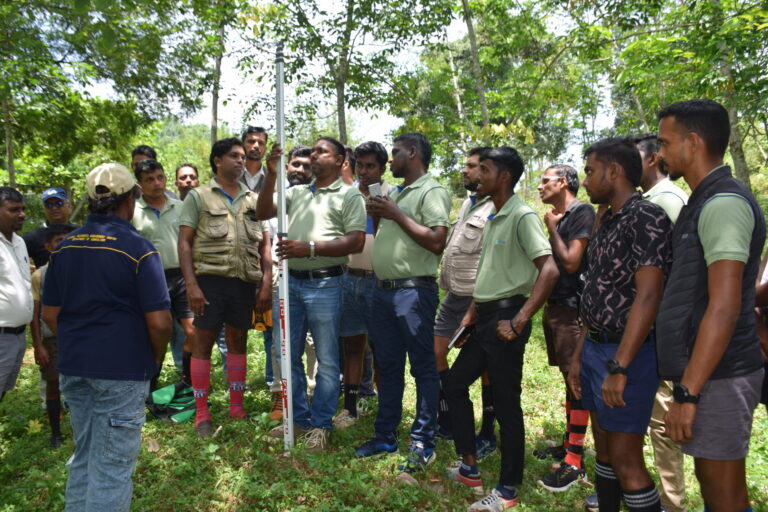
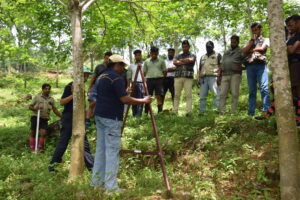
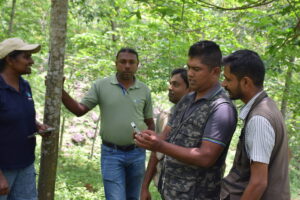
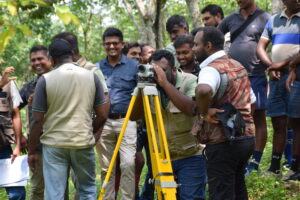
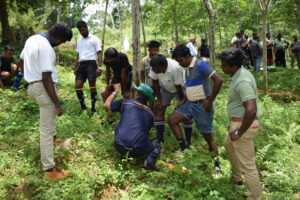
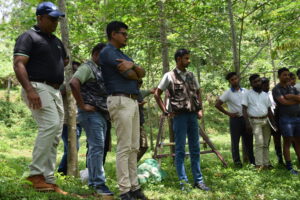
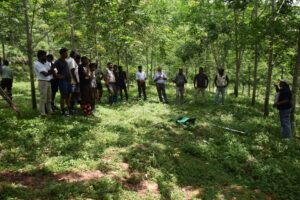
As part of these ongoing efforts, a training programme for Lalan Estate officers was successfully conducted on 06 May 2026, facilitated by the Natural Resources Management Centre (NRMC) with coordination support from Janathakshan GTE Ltd.
The training focused on strengthening the practical understanding and field-level application of Sustainable Land Management approaches. Key areas covered included:
- Soil conservation practices
- Field-based SLM application techniques
- Sustainable plantation landscape management approaches
The programme aimed to equip estate officers with the technical knowledge and practical skills necessary to support the transition toward more resilient, productive, and environmentally sustainable plantation systems.
Promoting Sustainable Plantation Landscapes
This initiative contributes to the broader goal of shifting plantation management from conventional production-oriented systems toward integrated land management approaches that safeguard soil health, conserve water resources, enhance biodiversity, and sustain community livelihoods.
Through collaborative partnerships and practical field-based interventions, the GEF-7 project continues to support the development of more sustainable and climate-resilient plantation landscapes in Sri Lanka’s wet zone.