Janathakshan and Sri Lanka Export Development Board Sign MoU to Strengthen Biodiversity-Friendly Agroforestry and Organic Tea Value Chains under GEF-7 Project
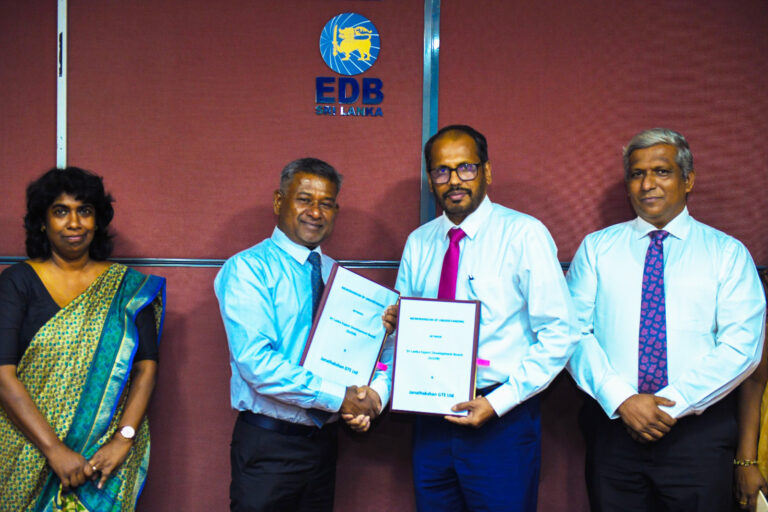
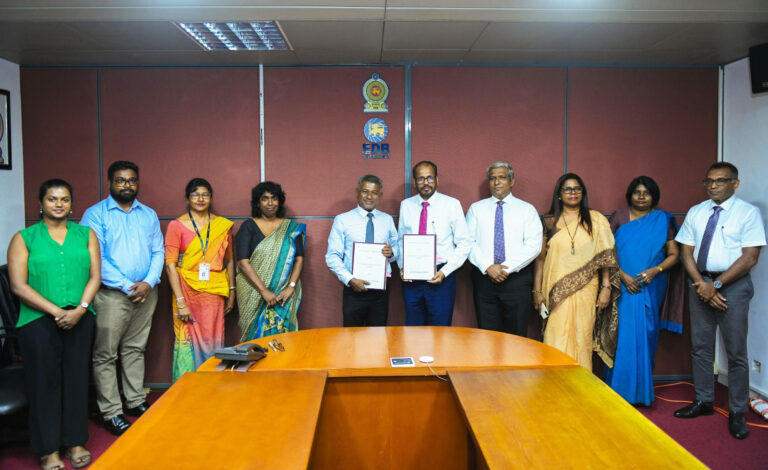
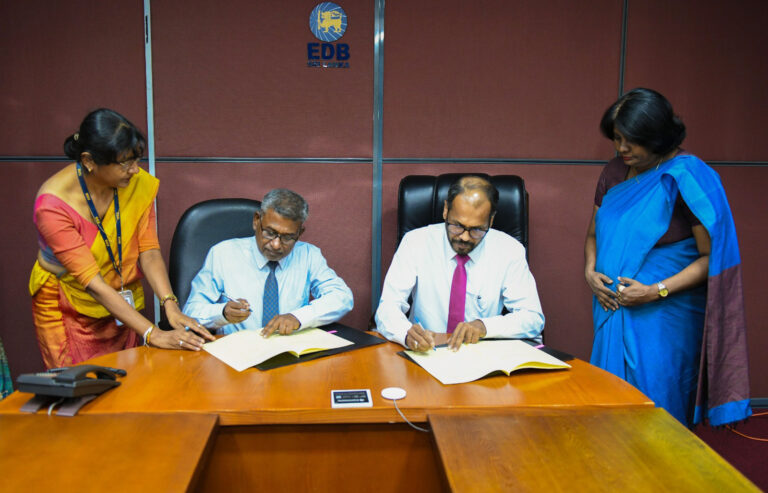
An important milestone towards promoting sustainable and biodiversity-friendly value chains in Sri Lanka was achieved today with the signing of a Memorandum of Understanding (MoU) between Janathakshan GTE Ltd and the Sri Lanka Export Development Board under the GEF-7 Project.
The partnership aims to strengthen collaboration on the development of biodiversity-friendly agroforestry systems and organic/artisanal tea value chains, contributing towards environmentally sustainable production systems while improving livelihood opportunities for rural communities.
Strengthening Sustainable Value Chains
Through this collaboration, both institutions will work together to:
Strengthen agroforestry crop and organic/artisanal tea value chains
Facilitate market linkages between producer groups and exporters
Improve product quality, compliance, and export readiness
Promote biodiversity-friendly production systems
Enhance livelihoods of rural communities
The initiative aligns with the broader objectives of the Global Environment Facility (GEF-7) project, which focuses on mainstreaming Biodiversity Conservation and Sustainable Land Management (SLM) approaches within Sri Lanka’s plantation landscapes.
Promoting Environmentally Responsible Production
The partnership recognizes the growing importance of integrating environmental sustainability into agricultural production and export systems. By supporting biodiversity-friendly agroforestry and sustainable tea production practices, the collaboration seeks to create value chains that are both economically viable and environmentally responsible.
The initiative will also help smallholder producers and rural communities improve market access, strengthen production standards, and increase opportunities within local and international markets.
Supporting Rural Livelihoods and Sustainability
This collaboration is expected to contribute significantly towards building resilient rural economies while safeguarding natural ecosystems and promoting sustainable land use practices across plantation landscapes in Sri Lanka.
Through partnerships such as this, Janathakshan continues to advance innovative and inclusive approaches that integrate environmental conservation, sustainable livelihoods, and market-driven development.