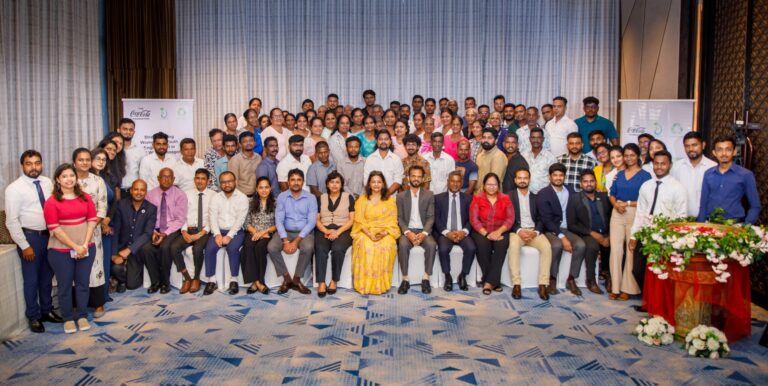
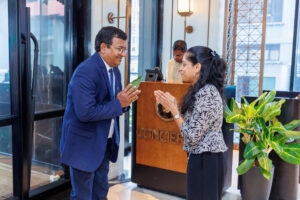
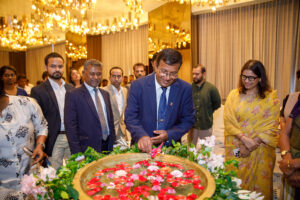
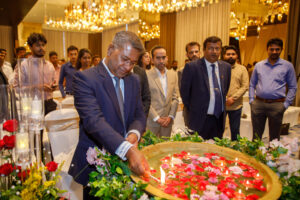
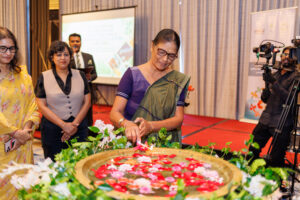
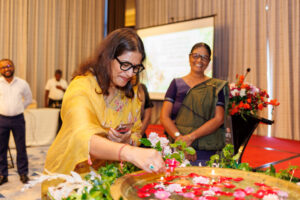
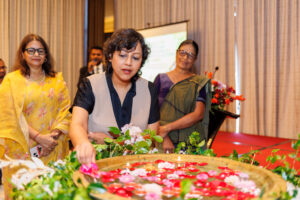
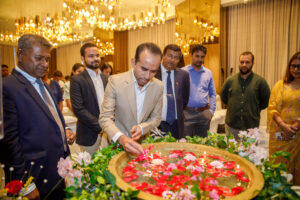
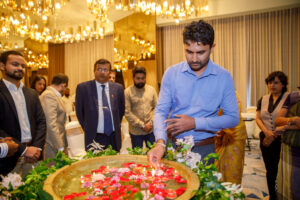
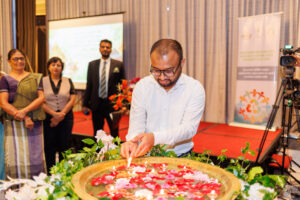
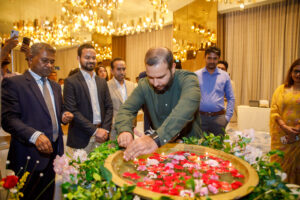
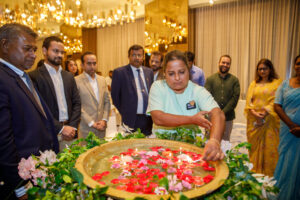
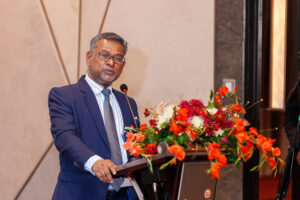
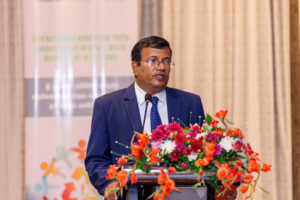
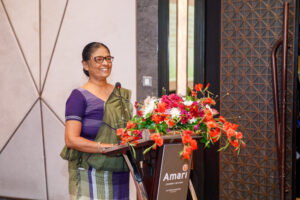
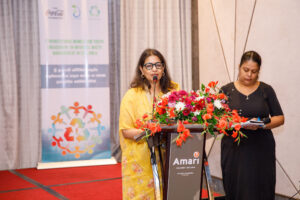
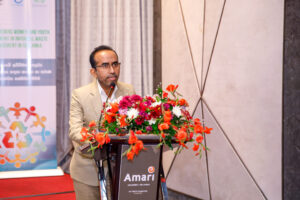
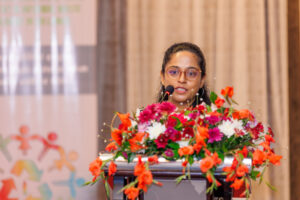
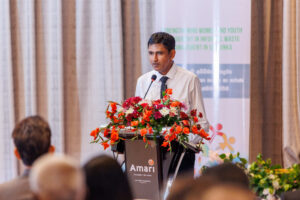
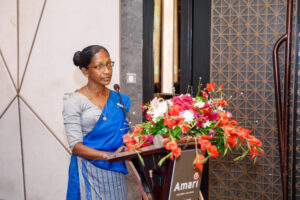
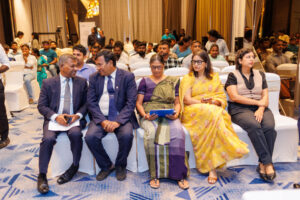
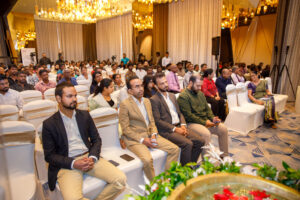
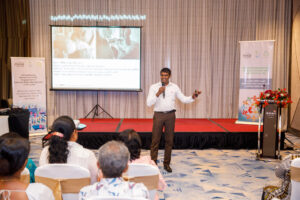
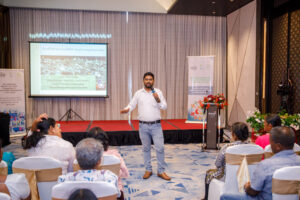
Janathakshan GTE Ltd, with the support of The Coca-Cola Foundation and in partnership with Neptune Recyclers, successfully concluded the project “Strengthening Women and Youth Engagement in Informal Waste Management in Sri Lanka (SWYFT)” by hosting a National Event for Recognition and Capacity Building of Informal Waste Collectors (IWCs) at Amari Colombo on 27 May 2026.
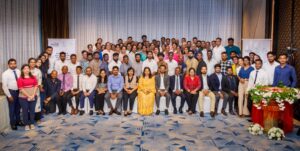
The national event brought together informal waste collectors from across Sri Lanka, government representatives, private sector stakeholders, development partners, and civil society organizations to celebrate the invaluable contribution made by informal waste collectors towards environmental protection, plastic waste management, and the promotion of a circular economy.
The event was graced by Hon. Anton Jayakodi, Deputy Minister of Environment, as the Chief Guest. Distinguished guests also included senior officials from the Ministry of Environment, representatives of the Central Environmental Authority, the Western Province Waste Management Authority, The Coca-Cola Foundation, Neptune Recyclers, and other key institutions engaged in waste management and environmental sustainability initiatives.
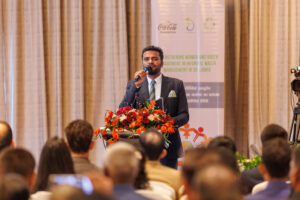
Delivering the welcome remarks, Dr. Janaka Hemathilaka, Chief Executive Officer of Janathakshan GTE Ltd, highlighted the importance of recognizing the often-overlooked contribution of informal waste collectors and emphasized the need to strengthen inclusive circular economy systems that benefit both people and the environment.
Representing The Coca-Cola Foundation, Ms. Saloni Goel, Senior Director – Sustainability & Value Creation, Coca-Cola India and South-West Asia, reaffirmed the Foundation’s commitment to supporting sustainable waste management solutions and community-driven environmental initiatives.
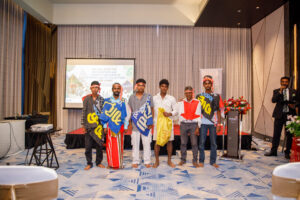
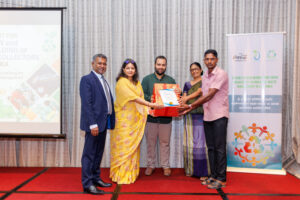
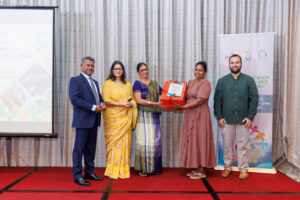
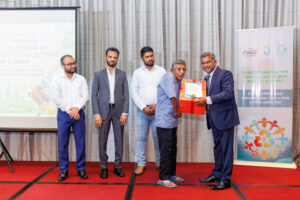
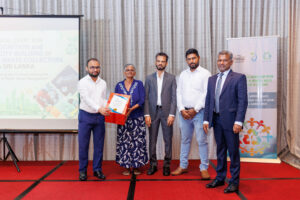
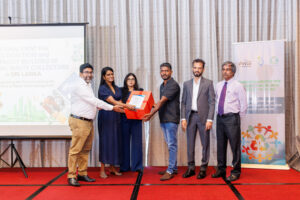
A key highlight of the event was the recognition and appreciation of informal waste collectors who have made exceptional contributions to the collection and recovery of recyclable materials, including PET bottles, plastics, aluminium, glass, paper, and cardboard. Certificates of recognition and appreciation gifts were presented to selected waste collectors from different parts of the country in acknowledgement of their dedication and service.
The event also featured the presentation of the SWYFT project’s achievements and impact. Over the course of the project, five women- and youth-led Material Collection and Processing Centers (MCPCs) were established, Sri Lanka’s first hydro-powered MCPC was launched, and electric three-wheelers and e-bikes were introduced to strengthen environmentally sustainable waste collection systems. The project further supported the livelihoods of informal waste collectors through capacity-building programmes, customized business plans, and entrepreneurship development initiatives.
Participants were also provided with Personal Protective Equipment (PPE) kits to promote occupational health and safety within the informal waste management sector. In addition, capacity-building sessions on health, safety, and recyclable material segregation were conducted with the support of the Western Province Waste Management Authority, providing practical knowledge to strengthen the effectiveness and wellbeing of waste collectors.
The programme featured inspiring speeches from representatives of informal waste collectors, who shared their experiences and highlighted the importance of greater recognition and support for the sector. A stage drama performed by informal waste collectors added a unique and engaging element to the event, showcasing the realities and challenges faced by those working in waste management.
Addressing the gathering, Hon. Anton Jayakodi, Deputy Minister of Environment, emphasized the growing challenge of plastic pollution in Sri Lanka and acknowledged the critical role played by informal waste collectors in addressing this issue. He further appreciated the collaboration between government institutions, private sector organizations, and development partners in strengthening sustainable waste management efforts and supporting the individuals who contribute to keeping Sri Lanka clean and environmentally sustainable.
The SWYFT project has successfully strengthened women and youth engagement in informal waste management while creating opportunities for livelihood enhancement, environmental stewardship, and community participation. Through awareness programmes, enterprise development, infrastructure support, and policy-relevant research, the project has contributed significantly to advancing Sri Lanka’s transition towards a circular economy.
As the project concludes, the SWYFT National Event served as both a celebration of achievements and a call for continued collaboration to ensure that informal waste collectors receive the recognition, support, and opportunities they deserve as key contributors to Sri Lanka’s environmental future.