
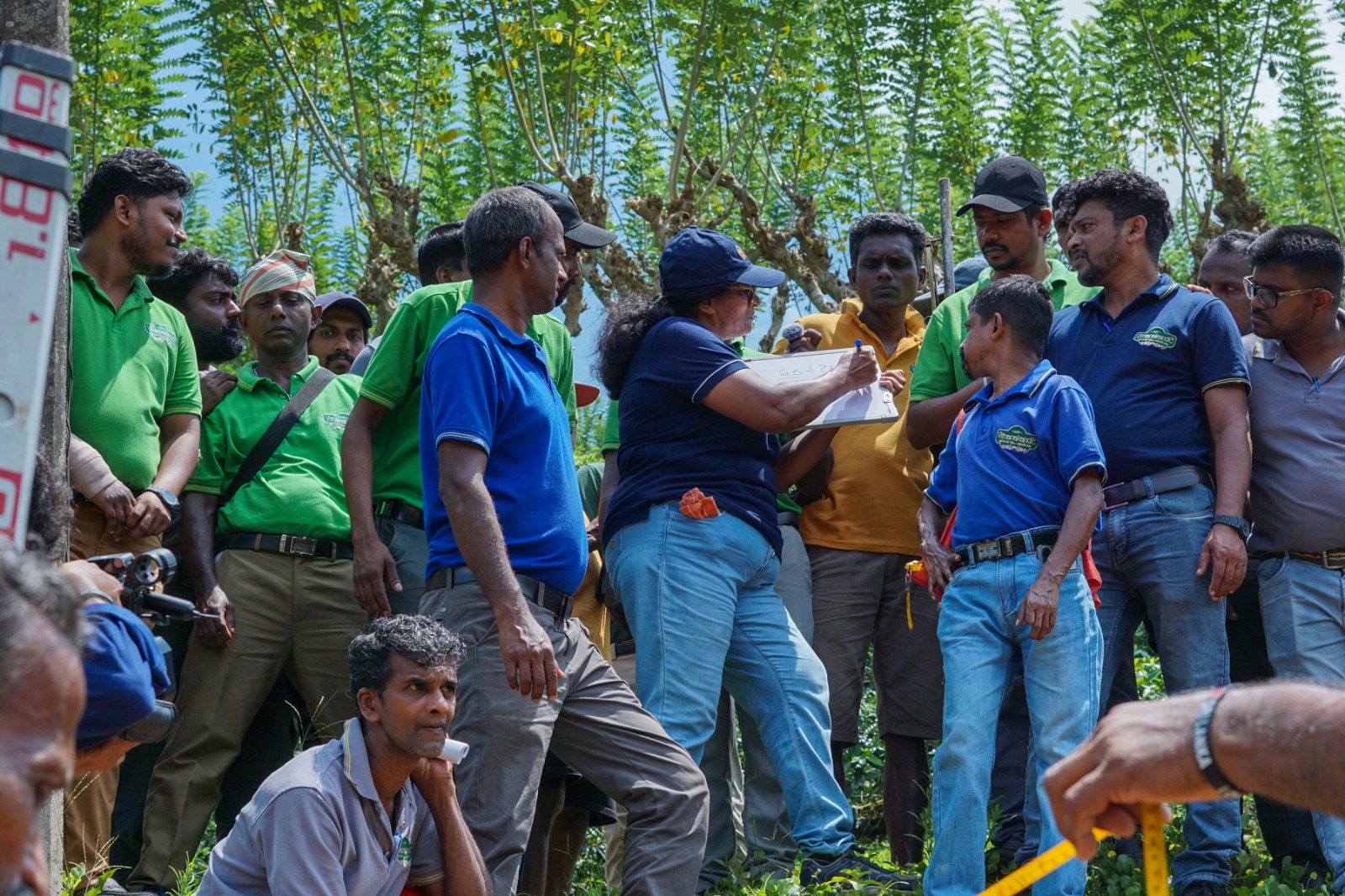
A training programme on Sustainable Land Management (SLM) practices in tea cultivation was conducted on 2 October 2026 at New Vithanakanda Tea Factory, Delwala, Ratnapura, as part of the Biodiversity and Sustainable Land Management Project (GEF-7). The programme was conducted with technical support from the Natural Resources Management Centre (NRMC) of the Department of Agriculture, bringing together Field Coordinating Officers and farmer groups associated with the New Vithanakanda Tea Factory. The training focused on strengthening participants’ understanding of sustainable land management practices relevant to tea cultivation and promoting practical approaches that can contribute to improved land productivity while supporting the sustainable management of natural resources. Technical guidance was provided by Dr. Keerthi Mohotti, Dr. Harsha Kadupitiya, and Prof. Pushpakumara, supporting participants with relevant technical knowledge and practical guidance. Following the training, the project will continue to promote and disseminate these technical practices among farmer groups associated with the New Vithanakanda Tea Factory, encouraging wider adoption of sustainable land management practices in tea cultivation. The Biodiversity and Sustainable Land Management Project is funded by the Global Environment Facility (GEF) and implemented by the Ministry of Environment, with the Ministry of Plantation & Community Infrastructure and the United Nations Development Programme (UNDP) in Sri Lanka. Janathakshan GTE Ltd. and Biodiversity Sri Lanka are responsible parties. Through technical capacity building and farmer-level engagement, the project continues to support more sustainable production practices while contributing to biodiversity conservation, sustainable land management, and resilient agricultural landscapes in Sri Lanka.
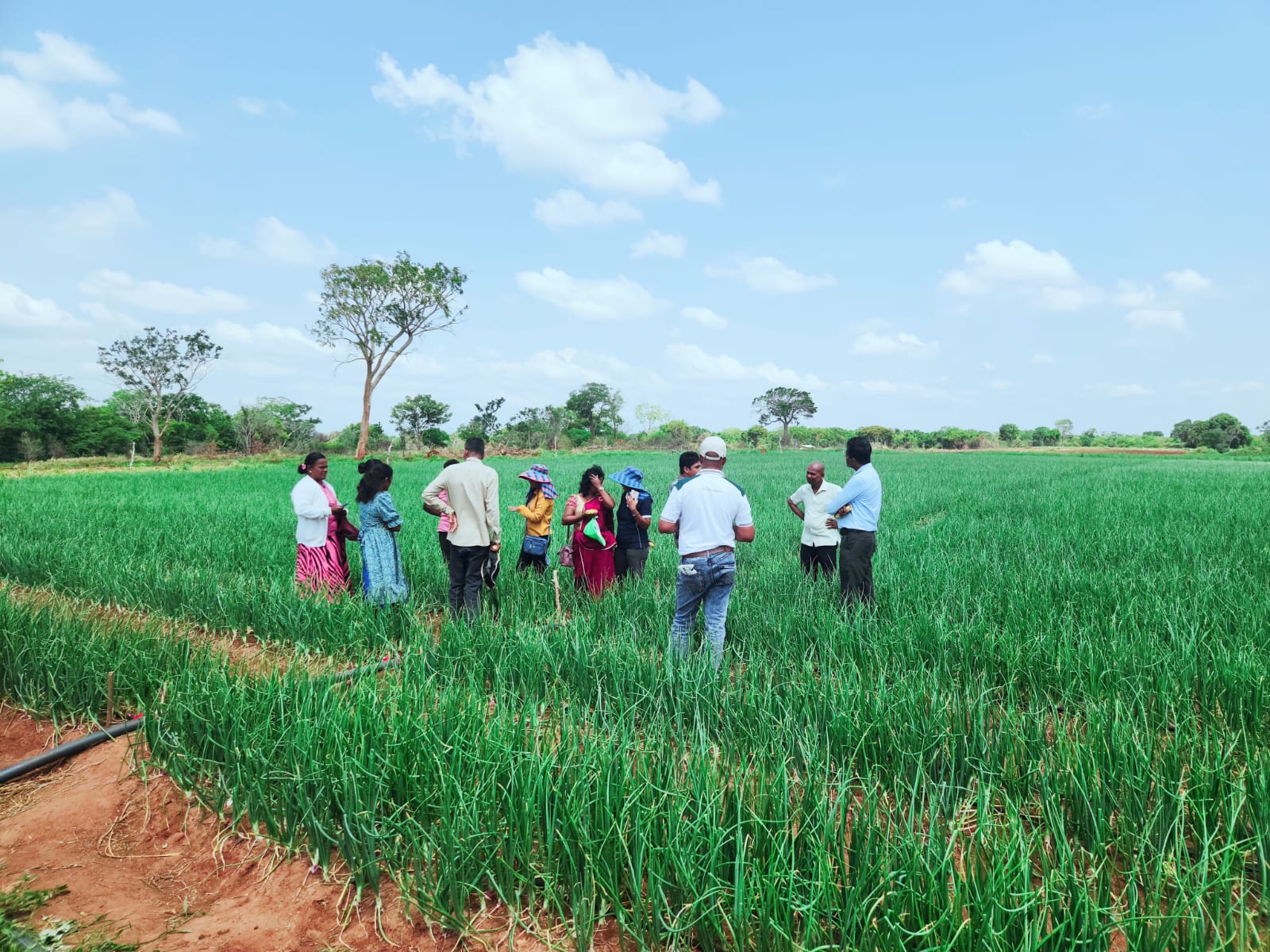
Strengthening Climate-Resilient Farming Through Modern Agriculture and Livestock Training
As climate variability continues to create new challenges for farming communities, strengthening farmers’ knowledge and preparedness has become increasingly important. As part of the “Water, Sustainable Farming & Livelihoods: Strengthening Sri Lankan Farming Families’ Climate Resilience” project, a practical training programme was conducted to support farming families in adopting climate-resilient agricultural and livestock management practices. The programme was organized with the participation of the Provincial Department of Agriculture and Hayleys Group, focusing on modern and improved techniques for big onion (බී ලූනු) cultivation. Farmers from the Ambagahawela and Ahetuwagama Grama Niladhari Divisions participated in the programme and gained knowledge on improved cultivation methods and technologies that can contribute to more productive and sustainable farming. A key component of the programme was awareness-building on the challenges faced by livestock farmers during periods of dry weather and changing climatic conditions. Farmers were informed about the rapid spread of viral diseases and other illnesses that can affect cattle during stressful climatic conditions, as well as the importance of maintaining proper nutrition to support animal health and productivity. The programme also highlighted the importance of early prevention, proper animal care and timely veterinary attention. Participants were guided on practical precautions that farmers can take to reduce disease risks and protect their livestock, particularly during prolonged dry periods and climate-related stresses. The Area Veterinary Doctor, Livestock Development Instructors (LDIs), and Development Officers from the Divisional Secretariat also participated in the programme, providing technical guidance and responding to farmers’ concerns. Following the awareness session, farmers and officials participated in a field visit, providing an opportunity to observe farming practices, discuss challenges faced at the field level and explore practical solutions together. The field-based approach helped connect technical knowledge with the day-to-day realities of farming families. The programme reflects the importance of bringing together farmers, government technical officers and private-sector expertise to strengthen local agricultural systems. By improving access to knowledge, appropriate technologies and practical climate-resilient practices, such initiatives can help farming families better prepare for changing environmental conditions while protecting their livelihoods. The initiative is implemented under the Water, Sustainable Farming & Livelihoods: Strengthening Sri Lankan Farming Families’ Climate Resilience project, funded by the Paul Lieberman Family Foundation through Green Empowerment. Through continued collaboration, knowledge sharing and community-level action, the project aims to contribute towards more resilient farming families, healthier livestock, sustainable agriculture and stronger rural livelihoods in the face of climate change.
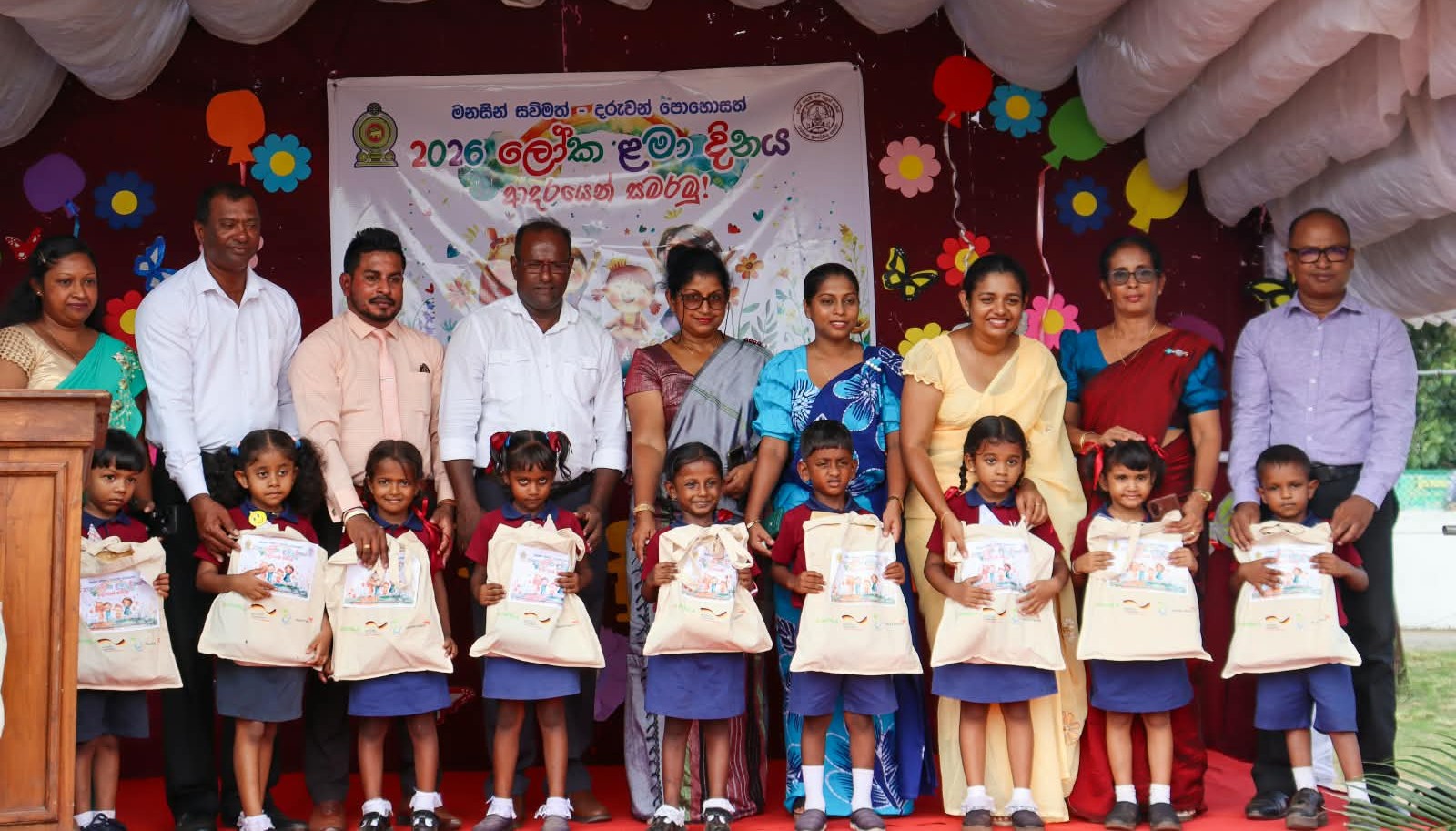
Children’s Day Celebration Promotes Plastic Recycling and Responsible Resource Management in Wattala
A Children’s Day celebration and environmental awareness campaign was organized by the Wattala Pradeshiya Sabha, with the support of the PHINLA Project, on 2 October 2026 at the Welisara Nawaloka Ground, Wattala. The event was organized under the PHINLA II Project, co-funded by the German Federal Ministry for Economic Cooperation and Development (BMZ) and World Vision Germany, and implemented by World Vision Lanka in partnership with Janathakshan GTE Ltd. The project promotes inclusive and sustainable approaches to waste and resource management while strengthening community participation and awareness. The event brought together approximately 750 pre-school children, along with their parents and teachers, for a day focused on celebrating children while promoting greater awareness of responsible waste and resource management. Gifts were presented to the participating children as a gesture of appreciation and encouragement. The environmental awareness component of the programme focused on the importance of preventing plastic pollution, reducing the use of single-use plastics, and promoting plastic recycling. As part of the PHINLA Project’s support, special cloth bags were provided to present the gifts to children, offering a practical alternative to shopping bags and plastic packaging while promoting more environmentally responsible choices. PHINLA Project leaflets were also distributed among parents and other participants, introducing the project and sharing key messages on responsible resource management, recycling, and sustainable waste practices. The event was attended by Mr. Krishantha Abeyratne, Minister of Science and Technology, the Chairman, Secretary and Members of the Wattala Pradeshiya Sabha, representatives of the Wattala Divisional Secretariat, as well as pre-school children, parents, teachers, and the PHINLA/Janathakshan team. Representing Janathakshan GTE Ltd., Mr. India Priyanthalal addressed the gathering and engaged with children, parents, and other stakeholders on responsible plastic use, recycling, and resource management, while also introducing the PHINLA Project and its objectives. The programme provided an important platform to combine children’s celebrations with practical environmental education, encouraging families and communities to adopt responsible plastic and waste management practices and contribute towards cleaner and more sustainable communities.
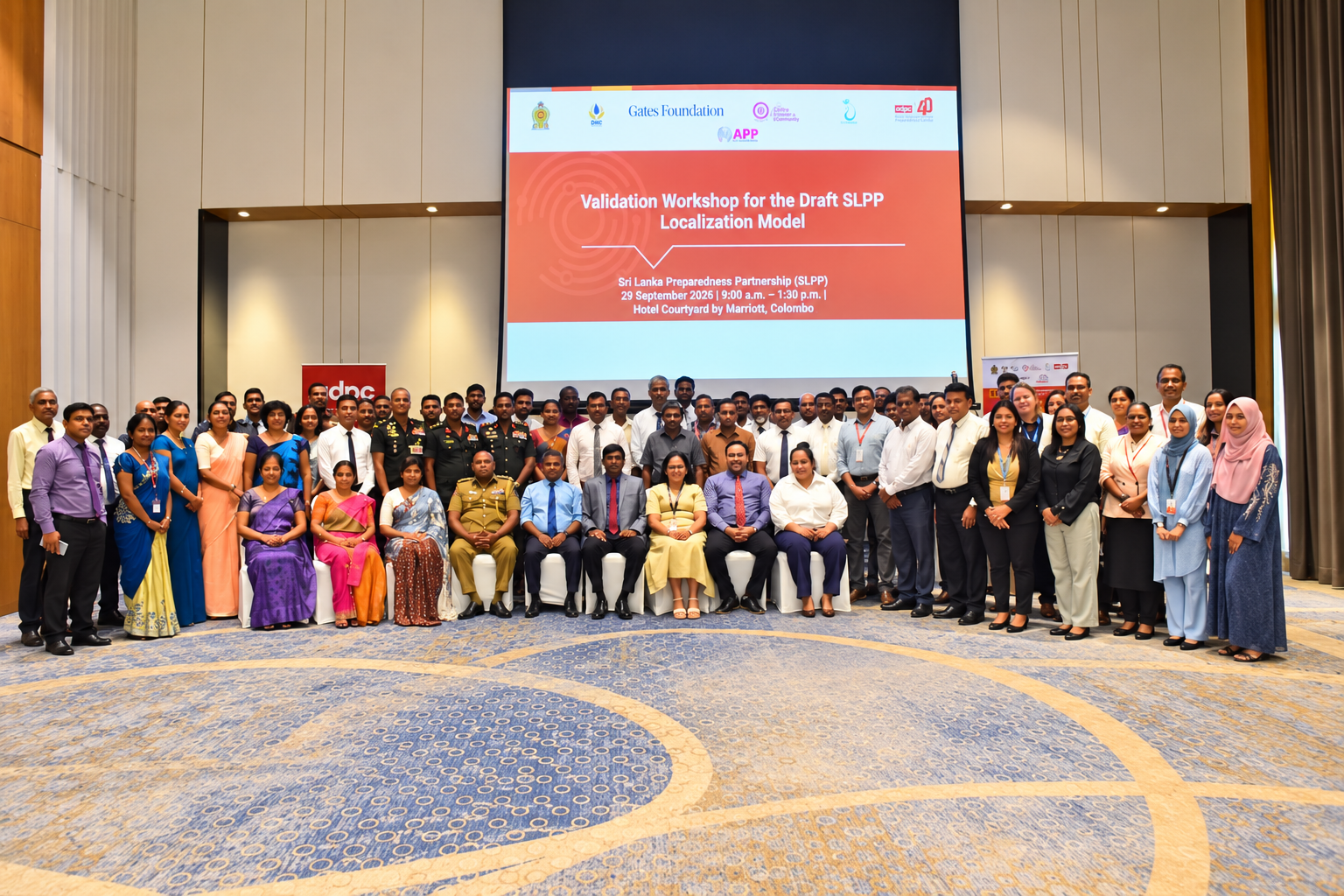
SLPP Advances Localization Agenda through Validation Workshop for Draft Localization Model
The Sri Lanka Preparedness Partnership (SLPP) successfully conducted a Validation Workshop for the Draft SLPP Localization Model on 29 September 2026 at Courtyard by Marriott, Colombo, bringing together approximately 80 participants representing a broad range of stakeholders. The workshop brought together representatives from government institutions, civil society organizations, the private sector, technical agencies, subnational and local institutions, academia, media, UN agencies, and other stakeholders, with balanced gender representation. This diverse participation reflected SLPP’s commitment to a multi-stakeholder and inclusive approach to strengthening locally led resilience. The workshop marked an important step towards strengthening the institutionalization and long-term sustainability of SLPP, while advancing locally led disaster preparedness, disaster risk reduction, and climate resilience in Sri Lanka. The proposed localization model seeks to connect national policy, technical expertise, and resources with locally led action, while strengthening existing institutions and coordination mechanisms rather than establishing parallel structures. The programme featured perspectives from the government, civil society, and private sectors, alongside practical experiences from locally led initiatives implemented in Hambantota, Kegalle, and Anuradhapura. These experiences provided valuable insights into the opportunities and practical considerations involved in strengthening local leadership and coordination for disaster resilience. As part of the workshop, participants engaged in interactive group activities using a “Validate – Revise – Add – Recommend” approach. The discussions examined key elements of the proposed model, including its governance architecture, coordination mechanisms, operational pillars, and monitoring and learning arrangements, while identifying practical gaps and recommendations for further strengthening. The collective experience and inputs shared by participants will contribute to the refinement and finalization of the SLPP Localization Model. The process represents an important step towards establishing a shared pathway that connects national systems with empowered local actors and communities, supporting more inclusive, locally led, and sustainable resilience-building in Sri Lanka.
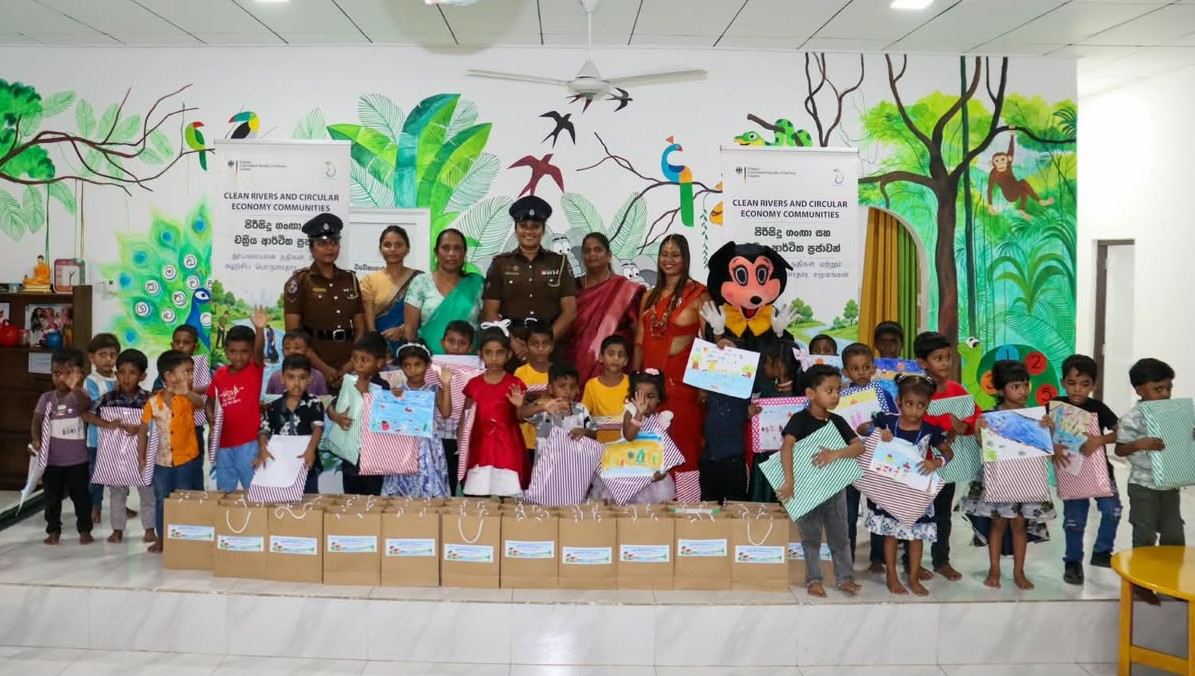
Children’s Day Celebration Promotes Plastic-Free Communities in Wattala
As part of the Clean Rivers and Circular Economy Communities Project, funded by the German Embassy Colombo and implemented by Janathakshan GTE Ltd., a Children’s Day celebration, art competition, and environmental awareness programme were held on 1 October 2026 at the Early Childhood Development Center, Atampalawatta, Wattala. The programme provided children with an opportunity to express their creativity while learning about the importance of protecting rivers, beaches, and the ocean from plastic pollution. An art competition was conducted under environmental themes, encouraging children to explore how their everyday actions can contribute to cleaner and healthier surroundings. Certificates and gifts were presented to participating children in recognition of their creativity and engagement, while encouraging their continued interest in environmental protection. The awareness component of the programme focused on the importance of reducing plastic use, preventing plastic waste from entering waterways, and protecting marine and coastal environments. Children, parents, and community stakeholders were engaged in discussions on how responsible waste management practices can begin at the household and community levels. By engaging children from an early age, the programme sought to nurture environmentally responsible behaviours and strengthen community awareness of plastic pollution. The initiative highlights the importance of empowering younger generations to become active participants in building cleaner, healthier, and more sustainable communities. Through the Clean Rivers and Circular Economy Communities Project, Janathakshan continues to promote practical environmental awareness and community participation, encouraging responsible resource management and action to reduce plastic pollution.
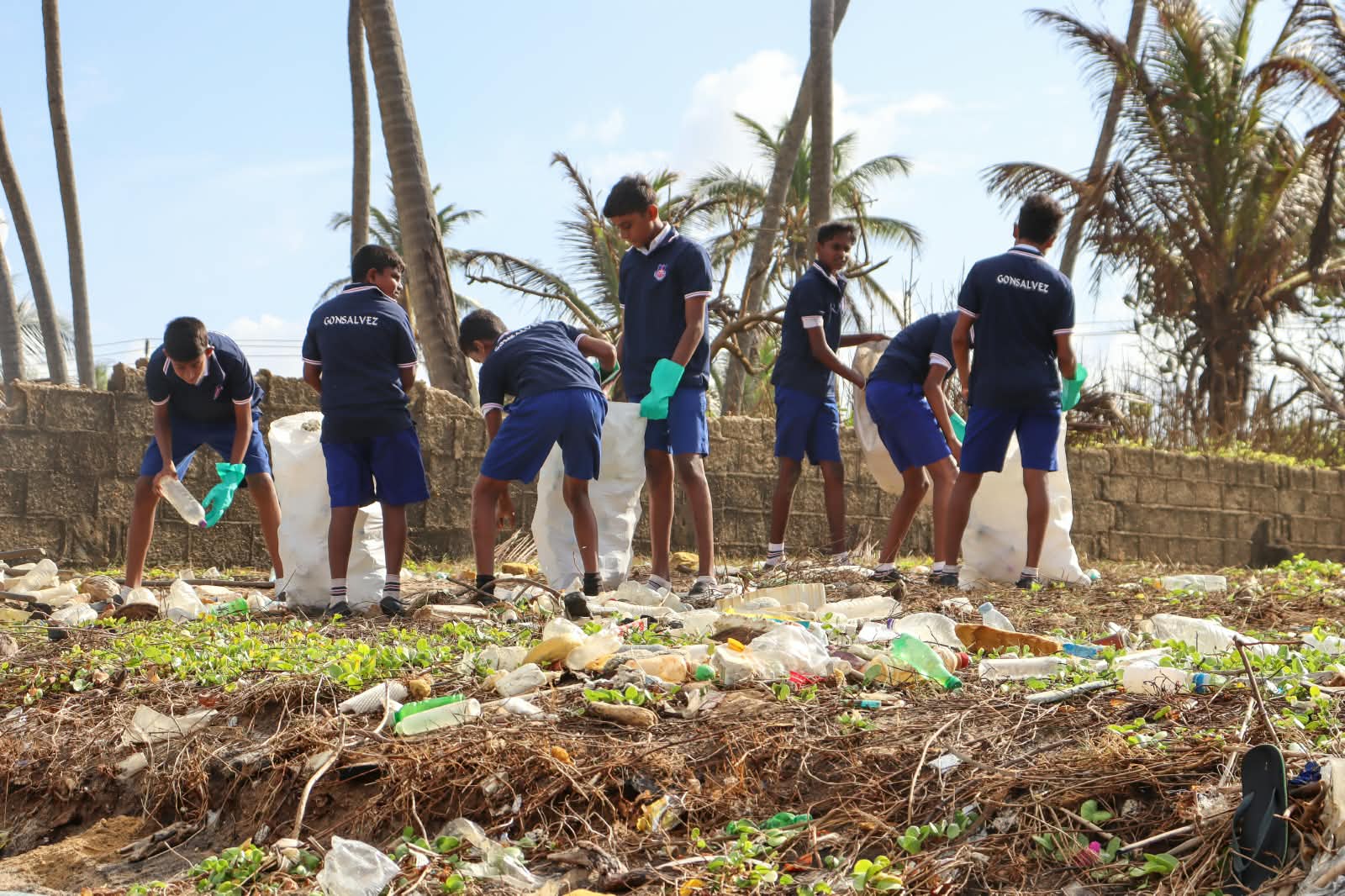
Beach Clean-Up Programme Conducted by Gonzalvez College Students under PHINLA II
As part of the PHINLA II Project, a beach clean-up programme was organized by the students of Gonzalvez College, Pamunugama, with the participation of teachers and students. The initiative aimed to promote responsible waste management, environmental awareness, and active youth participation in keeping coastal environments clean. The programme brought together students and teachers in a collective effort to remove waste from the beach and encourage responsible practices among the younger generation. Particular attention was given to the collection and proper handling of recyclable materials identified during the clean-up. Following the activity, the collected recyclable materials were handed over to the Gonzalvez College School Resource Bank, supporting the school’s efforts to promote resource recovery and responsible waste management among students. On 10 September, the necessary clean-up resources were also handed over to the Gonzalvez College Resource Bank, further strengthening the school’s capacity to continue environmental activities and encourage students to take an active role in protecting their surroundings. The programme was supported under PHINLA II, which is co-implemented by Janathakshan GTE Ltd. and World Vision Lanka, with funding support from the German Federal Ministry for Economic Cooperation and Development (BMZ) and World Vision Germany. The beach clean-up demonstrates the value of collaboration among schools, communities, development partners, and local stakeholders in promoting sustainable waste management. By engaging students directly in environmental action, the initiative contributes to building greater awareness and a culture of responsibility towards Sri Lanka’s coastal environment.
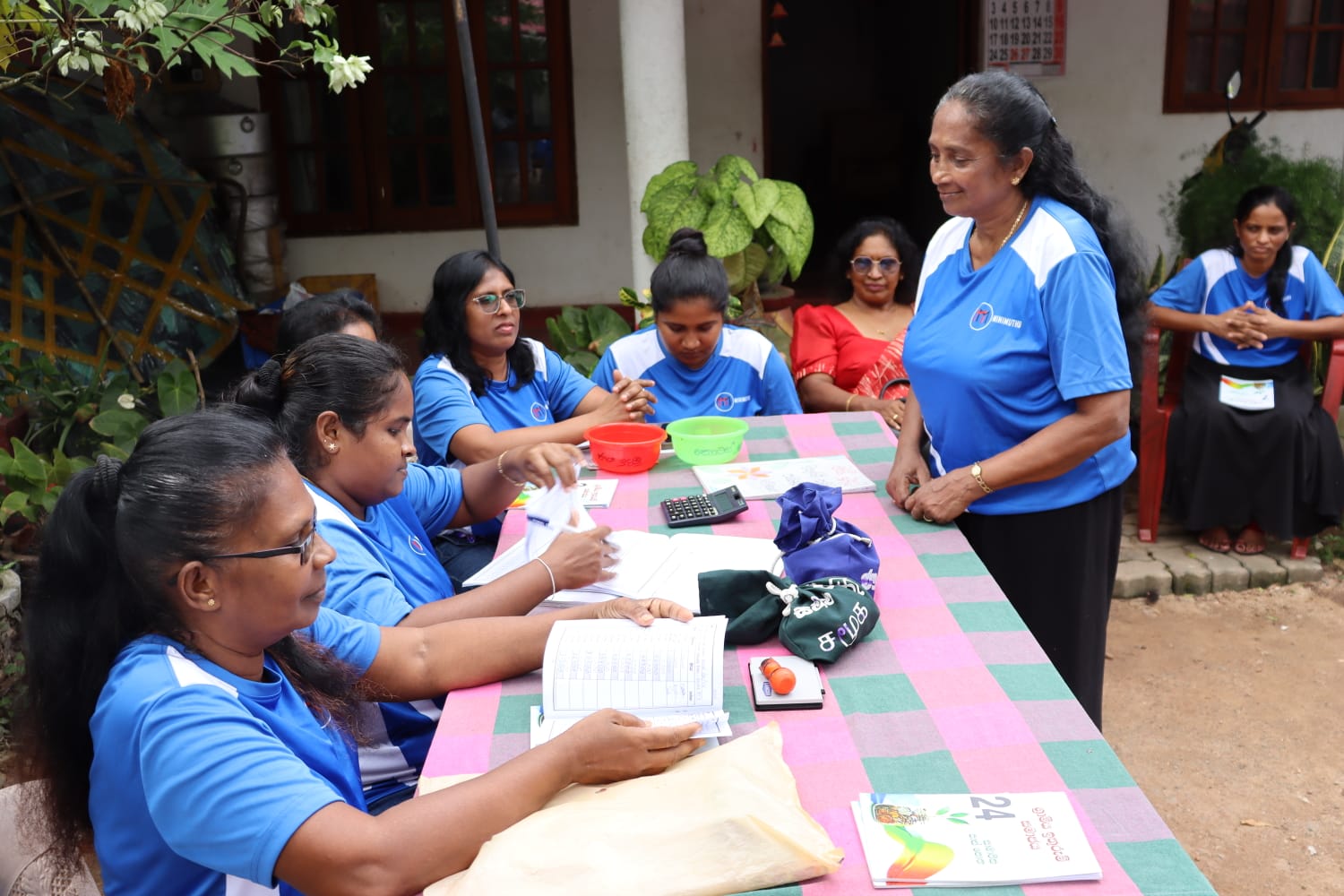
Building Financial Resilience through Savings for Transformation (S4T) Groups
Financial security is a cornerstone of resilient communities. Recognizing that sustainable livelihoods depend not only on income generation but also on sound financial management, the PHINLA Project, implemented by Janathakshan in partnership with World Vision Lanka and funded by BMZ and World Vision Germany, has successfully established 10 Savings for Transformation (S4T) Groups across the Wattala and Ja-Ela project areas. Bringing together 207 members, including 179 women and 28 men, the groups comprise Resource Collectors (RCs), their family members, and other community members. By promoting a culture of regular saving, responsible borrowing, and mutual support, the initiative is helping vulnerable households strengthen their financial resilience while creating opportunities for long-term economic empowerment. Adapted from World Vision Lanka’s proven Savings for Transformation (S4T) model, the initiative provides a simple yet effective community-based savings and lending mechanism managed entirely by its members. Each group meets weekly to contribute small savings into a common fund, which is collectively managed by the members themselves. As the fund grows, participants can access low-interest loans to meet a wide range of financial needs, including livelihood investments, small business development, children’s education, healthcare expenses, household improvements, and emergency situations. Because loans are repaid with a modest interest, the group’s savings continue to grow over time, creating a revolving community fund that benefits all members. This approach reduces dependence on informal money lenders while encouraging financial discipline, accountability, and collective ownership. To further strengthen the efficiency and transparency of the programme, the PHINLA Project has introduced the Dream Save mobile application to digitally manage Savings for Transformation groups. The application enables members to securely maintain savings records, loan transactions, repayment histories, and member profiles through a digital platform, replacing traditional manual record-keeping systems. The introduction of digital financial management has significantly improved the accuracy, transparency, and accountability of group operations while reducing administrative errors. By integrating digital technology into community savings mechanisms, the project is equipping community groups with modern financial management tools that support long-term sustainability and strengthen confidence among members. Beyond financial benefits, the S4T Groups have become valuable platforms for building trust, solidarity, and mutual support within communities. Many members have reported that regular weekly savings have helped them develop positive financial habits and improve household financial planning. More importantly, participants are increasingly able to meet urgent financial needs through their own community savings groups rather than relying on relatives, friends, or high-interest external lenders. This has strengthened their financial independence while reducing household vulnerability during times of economic uncertainty. An equally important feature of the programme is the establishment of a Social Fund, maintained alongside the members’ savings fund. Through small additional contributions made during weekly meetings, the Social Fund provides immediate financial assistance to members facing emergencies such as illness, accidents, family bereavements, or other unforeseen crises, reinforcing the spirit of community solidarity and collective responsibility. The successful establishment of the ten Savings for Transformation Groups marks an important milestone in advancing financial inclusion, community resilience, and sustainable livelihoods under the PHINLA Project. By fostering responsible saving, affordable access to finance, digital innovation, and community ownership, Janathakshan is empowering vulnerable households to build stronger financial foundations while supporting the project’s broader vision of creating cleaner, healthier, and more resilient communities through sustainable waste management and inclusive livelihood development. As these community-led savings groups continue to grow, they are expected to play an increasingly important role in strengthening household economic security and enabling communities to confidently invest in their own future.
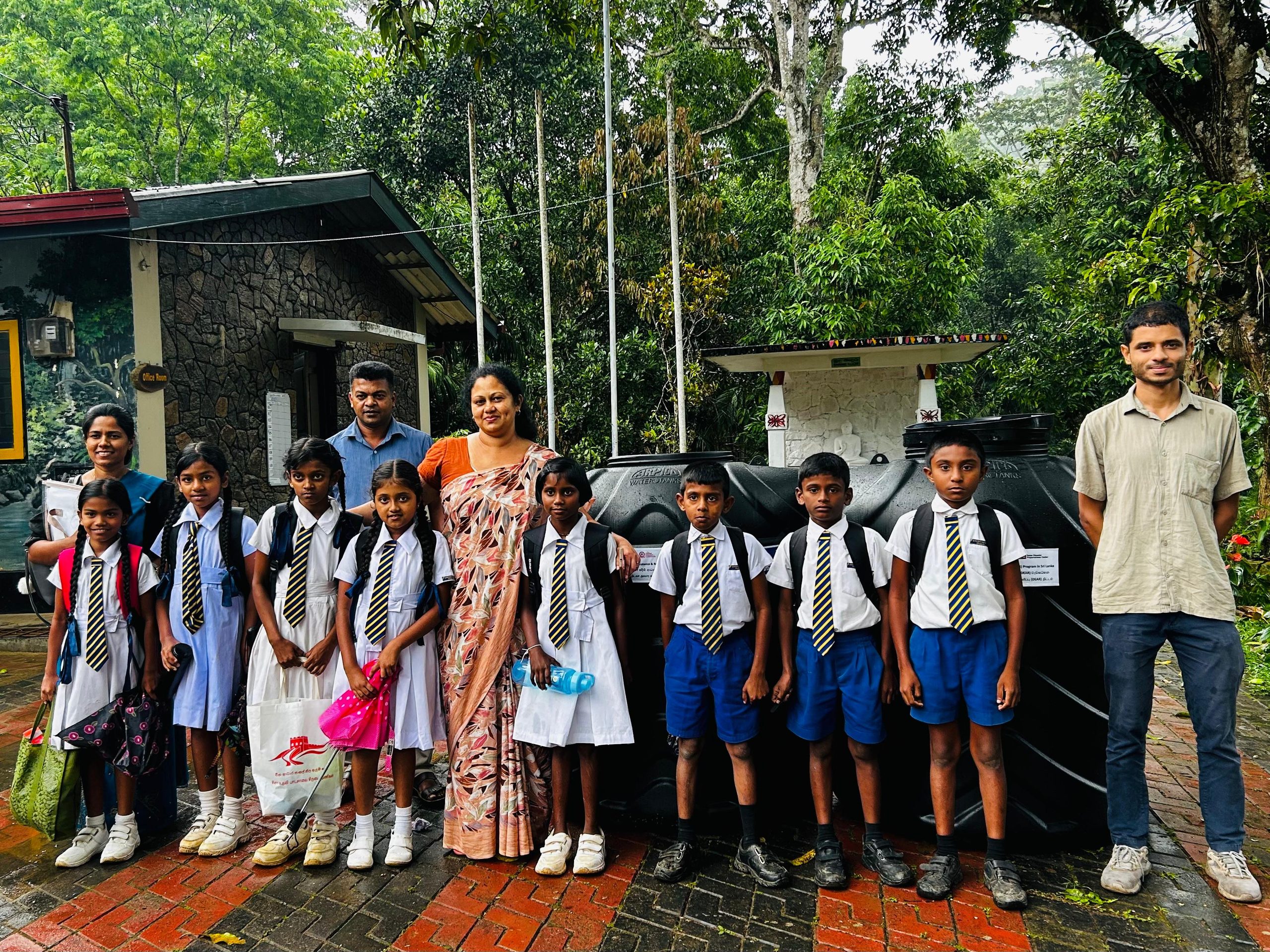
Supporting Recovery and Resilience among Cyclone Ditwah-Affected Communities
In the aftermath of Cyclone Ditwah, communities across Sri Lanka faced disruptions to essential services, damage to infrastructure and household assets, and significant challenges to their safety and wellbeing. Through the Ditwah Emergency Assistance and Response (DEAR) Programme, Janathakshan has supported affected communities with integrated humanitarian assistance designed to address immediate needs while contributing to early recovery and resilience. The DEAR Programme was implemented across Kandy, Kegalle, Badulla and Puttalam districts through the Sri Lanka Preparedness Partnership (SLPP), with implementation leadership from Janathakshan, in partnership with the Asian Disaster Preparedness Center (ADPC) and with funding support from the Gates Foundation. The programme combined interventions in Water, Sanitation and Hygiene (WASH), Non-Food Items (NFIs), Child-Centred Disaster Risk Reduction and Psychosocial Support (CCDRR & PSS), Multi-Purpose Cash Assistance and disability-inclusive assistance. Overall, the programme reached 72,261 individuals across the four districts. 52,763 people in Badulla were reached through WASH interventions, while 638 people benefited from CCDRR and psychosocial support and 1,935 people received non-food items. The WASH interventions focused on restoring access to safe water and sanitation services following the disaster. Across the programme, water purification systems were restored in 119 schools, seven Community-Based Organisations (CBOs) and one village, helping affected communities regain access to safer drinking water and reducing dependence on external water sources. These interventions contributed to improved water quality and safer learning environments in schools. The introduction and restoration of appropriate water purification technologies also supported resilience in areas facing specific water-quality challenges, including saline and Chronic Kidney Disease of Unknown Etiology (CKDu)-prone areas. The response also addressed practical needs faced by families living in temporary shelters and safety centres following the disaster. Non-food assistance, including solar lighting, mosquito nets and hygiene-related supplies, helped improve safety, health protection and living conditions. Beneficiaries reported that solar lights improved household safety and enabled children to study at night, while also reducing expenditure on alternative lighting. Mosquito nets and hygiene-related supplies further supported healthier living conditions in temporary shelters. Recovery from a disaster is not limited to restoring physical infrastructure. Children and their caregivers may also experience emotional and psychosocial impacts, making child-centred support an important part of the recovery process. Through the CCDRR and Psychosocial Support component, the DEAR Programme supported disaster-affected preschool children while strengthening teachers’ capacity to provide psychosocial care during emergencies. The programme combined psychosocial support with child-centred disaster risk reduction and play-based learning activities. These interventions contributed to improvements in children’s emotional wellbeing and confidence, with parents and teachers reporting positive changes following children’s participation in the activities. The DEAR Programme demonstrates the value of an integrated approach to post-disaster recovery, one that combines the restoration of essential services with practical household assistance, psychosocial support and disaster risk reduction. The assistance was timely, relevant and responsive to priority needs, with high levels of beneficiary satisfaction across the intervention areas. Strong coordination with government institutions and local stakeholders, community participation and continuous assessment as recovery needs evolve were crucial for this intervention. For Janathakshan, the DEAR Programme reflects a commitment to people-centred disaster response and recovery, supporting communities to restore essential services, address immediate vulnerabilities and strengthen their capacity to cope with future risks. The experience also reinforces the importance of connecting emergency assistance with early recovery, preparedness and community resilience. By working in coordination with government institutions, local stakeholders and communities, the programme contributes to a more inclusive and sustainable approach to post-disaster recovery.
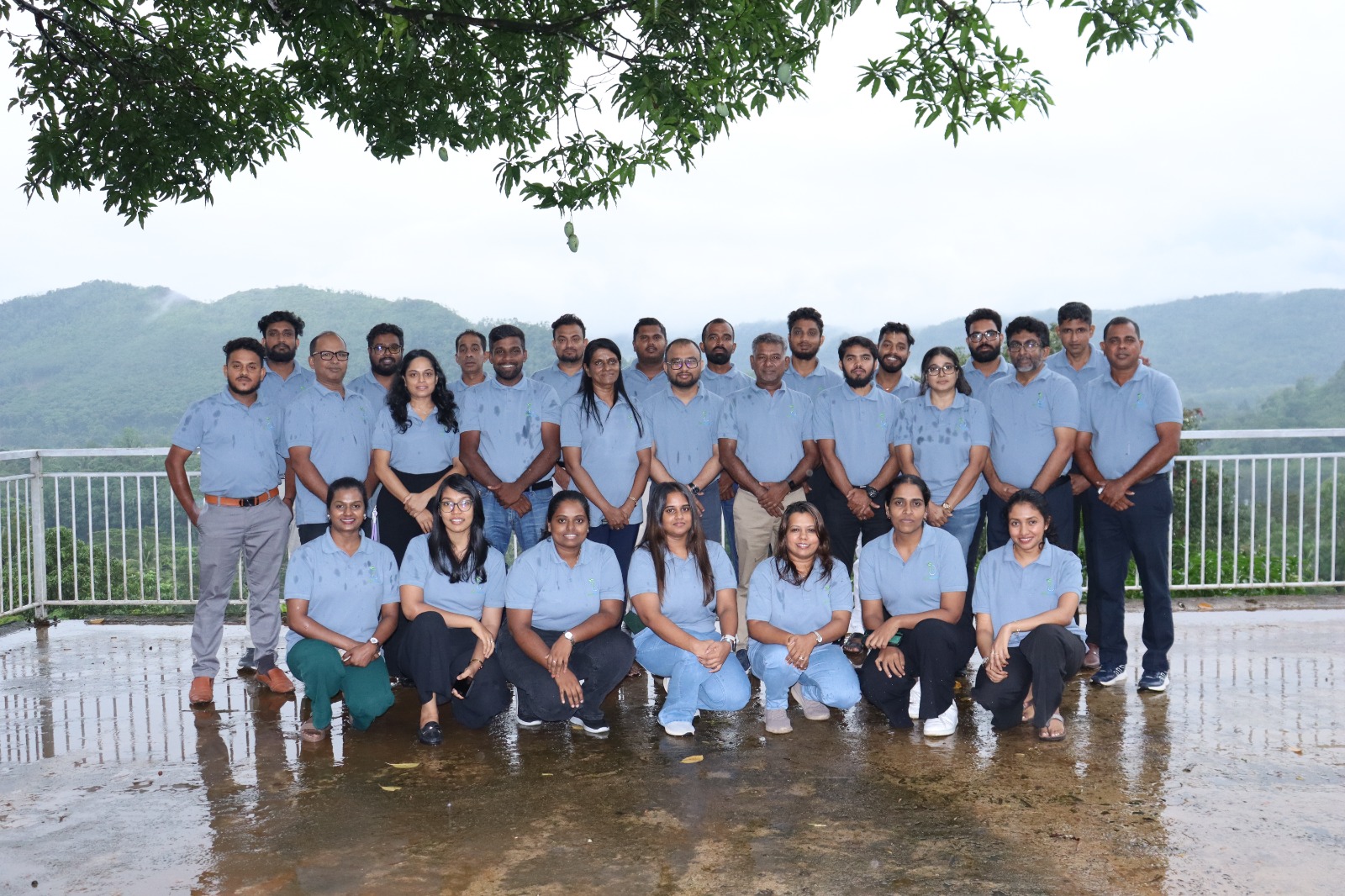
Janathakshan Annual Business Planning 2026: Reflecting, Learning and Planning for the Year Ahead
For an working across complex development, climate action and resilience challenges, effective implementation begins with effective planning. Recognising the importance of reviewing progress, learning from experience and maintaining strategic alignment, Janathakshan conducted its Annual Business Planning (ABP) 2026 from 13 to 15 May 2026 at Wijaya Resort, Kiriella, bringing together employees from across the organisation for three days of reflection, analysis and forward planning. Led by Dr. Janaka Hemathilaka, CEO/Executive Director, and Mr. Sasika Konara, Head of Programmes, the three-day process provided an opportunity for the Janathakshan team to collectively assess organisational performance during the Financial Year 2025/26, examine progress against the Organisational Strategic Plan 2025–2030, and translate strategic priorities into an organisation-wide plan for the year ahead. The ABP began with a comprehensive review of Janathakshan’s operational performance and achievements during FY 2025/26. Teams reflected on the progress made across programmes and organisational functions, while also examining the challenges encountered during implementation. Importantly, the review went beyond identifying what was achieved. Teams considered what worked, what did not, why particular challenges emerged, and what lessons could be carried forward. This reflective process enabled the organisation to better understand how its operational achievements contributed to the broader results and priorities set out in the 2025–2030 Strategic Plan. Such reflection is particularly important for a project-implementing organisation like Janathakshan, where programmes operate in dynamic environments and require continuous adaptation based on evidence, experience and changing needs. A key focus of the ABP was the development and consolidation of organisation-wide Annual Work Plans (AWPs) for FY 2026/27. The planning process brought together the different organisational functions, including Programmes, Finance, Human Resources and Administration, Communications, and Information Technology, to ensure that their respective plans contribute coherently towards shared organisational objectives. Over the three days, teams worked through planned activities, priorities, implementation challenges, operational issues and potential solutions. This provided a space for different functions to understand their interdependencies and identify areas where stronger coordination would be required to deliver effectively during the coming year. The resulting planning process provided Janathakshan with a clearer operational direction for FY 2026/27, with activities and priorities linked to the organisation’s longer-term strategic objectives. Beyond developing annual work plans, the ABP created an important space for organisational learning and team cohesion. Bringing the Janathakshan team together allowed employees to share experiences from different programmes and functions, understand common challenges and collectively consider ways to strengthen implementation. The process also reinforced the importance of learning from the previous year as a foundation for improving organisational and programme culture. By openly examining achievements, challenges and lessons learned, the team was able to identify opportunities to improve ways of working and strengthen collaboration across the organisation. The conclusion of the Annual Business Planning process marked the beginning of another year of implementation for Janathakshan. With a shared understanding of organisational performance, lessons from FY 2025/26 and consolidated Annual Work Plans for Financial year 2026/27, the organisation is better positioned to translate its strategic priorities into coordinated action. For Janathakshan, annual planning is not simply about setting activities for the year ahead. It is a continuous process of reviewing, learning, adapting and aligning, ensuring that organisational resources, programmes and people remain focused on delivering meaningful results towards its vision of a sustainable and equitable future.